Sri Lanka
 USA
USA Canada
 India
India UK
UK UAE
UAE




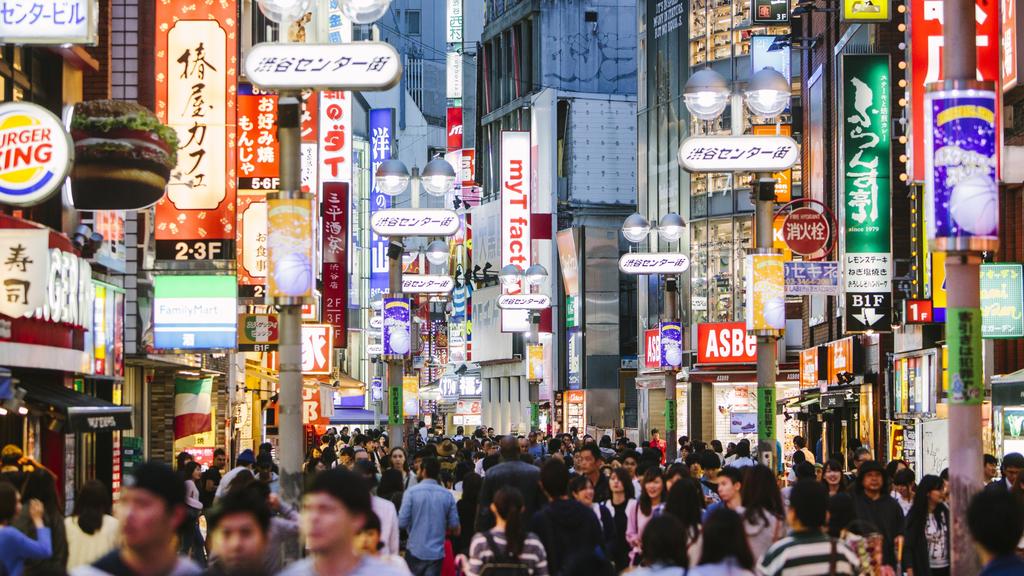
Australians are travelling to Japan in record numbers, with the country expected to welcome over one million Aussie visitors in a single calendar year for the first time in 2025.
Figures from the Japan National Tourism Organisation (JNTO) show visitor numbers from Australia are already up 20.9% compared to last year, with the 12-month rolling average surpassing one million since April.
While this surge is boosting Japan’s economy and cultural exchange, it also raises concerns about overtourism, particularly in cities such as Kyoto, where residents have protested against overcrowding and disruption to local life.
🗾 The Etiquette Aussies Often Miss
Australians heading to Japan are being urged to respect Japanese etiquette, which extends beyond familiar rules like removing shoes indoors, staying quiet on public transport, and avoiding eating while walking.
One of the most surprising rules for visitors is that wearing strong perfumes or colognes is frowned upon — particularly at restaurants.
“It is uncommon to wear perfume or cologne in Japan, especially when eating,” JNTO’s Andrew Coombs explained. “It can overpower the delicate fragrances of Japanese cuisine.”
Punctuality is also highly valued, with even being a minute late considered disrespectful.
🌏 Avoiding the Overtourism Trap
To counter the challenges of overcrowding, Japan is urging Australians to explore lesser-known destinations and travel during shoulder or off-peak seasons.
Mr Coombs said Australians, who tend to stay longer than other visitors, have a unique opportunity to “go further and learn more about the Japanese way of life.”
Initiatives such as free domestic flights for international visitors and codes of conduct in hotspots like Kyoto are part of Japan’s efforts to spread tourism more evenly across the country.
“We encourage travellers to uncover Japan’s hidden gems — from island-hopping and onsen retreats to mountain trails, ancient crafts, and local festivals,” Coombs added.
Globally, overtourism has become a flashpoint, sparking protests in Spain, Italy, and Portugal, and prompting new restrictions on hotels, rentals, and visitor numbers. Japan is hoping to avoid similar backlash by promoting responsible travel.