Sri Lanka
 USA
USA Canada
 India
India UK
UK UAE
UAE




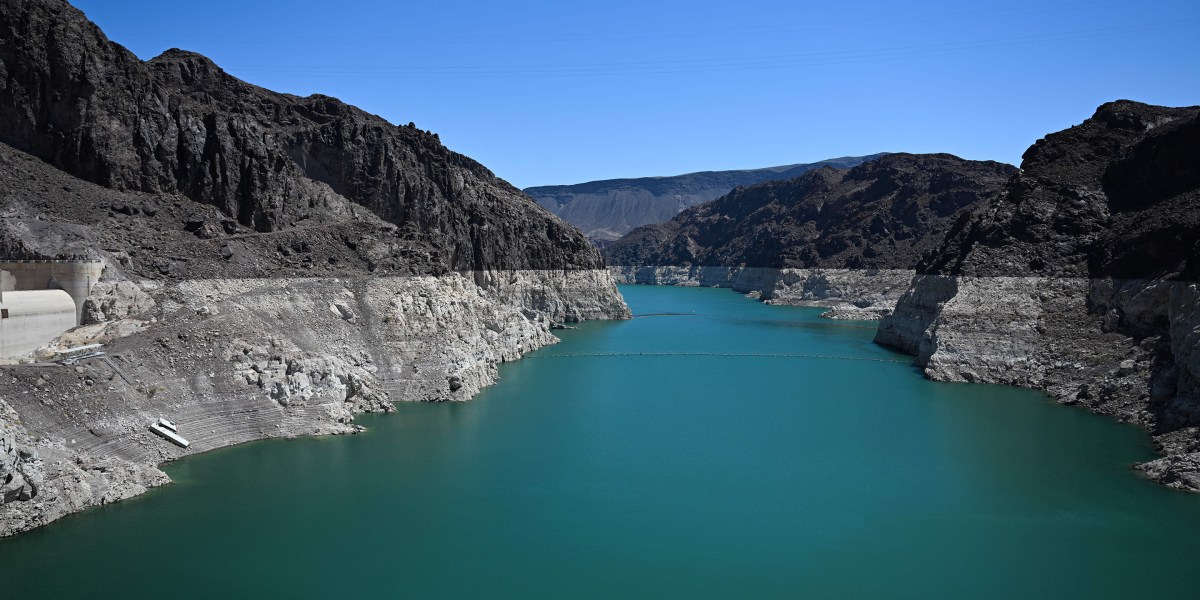
The United States is facing a looming water crisis as climate change, over-extraction, and surging demand push supplies to the brink. On a special episode of USA Today’s The Excerpt podcast, water expert Jay Famiglietti, a Global Futures Professor at Arizona State University, warned that aquifers in the Southwest are being depleted much faster than they can be replenished.
According to Famiglietti, the Colorado River’s decline, combined with excessive groundwater pumping, is forcing the Southwest into “difficult choices” about food security, farming, and long-term water use. The consequences are already visible: sinking ground (subsidence), biodiversity loss, falling water tables, and skyrocketing costs to drill deeper wells.
While much of the U.S. remains water-rich, the Southwest quadrant — home to America’s most productive farmland — is at the greatest risk. “Groundwater has become the most valuable but least appreciated resource in the region,” Famiglietti said.
The crisis doesn’t stop at America’s borders. Mexico has repeatedly fallen short on water deliveries to the U.S., a problem worsened by climate change and poor groundwater management. Meanwhile, thirsty AI data centers and chip factories are adding new pressure in states like Arizona, raising concerns about sustainability.
Possible solutions include expanding water conservation, improving irrigation efficiency, enforcing stricter groundwater policies, and exploring desalination powered by renewable or nuclear energy. Globally, Israel and parts of Arizona are seen as leaders in water innovation.
Famiglietti stressed the urgency of acting now: “We need a portfolio of solutions region by region — because if groundwater supplies dwindle, America’s food and water security will be at serious risk.”