Sri Lanka
 USA
USA Canada
 India
India UK
UK UAE
UAE




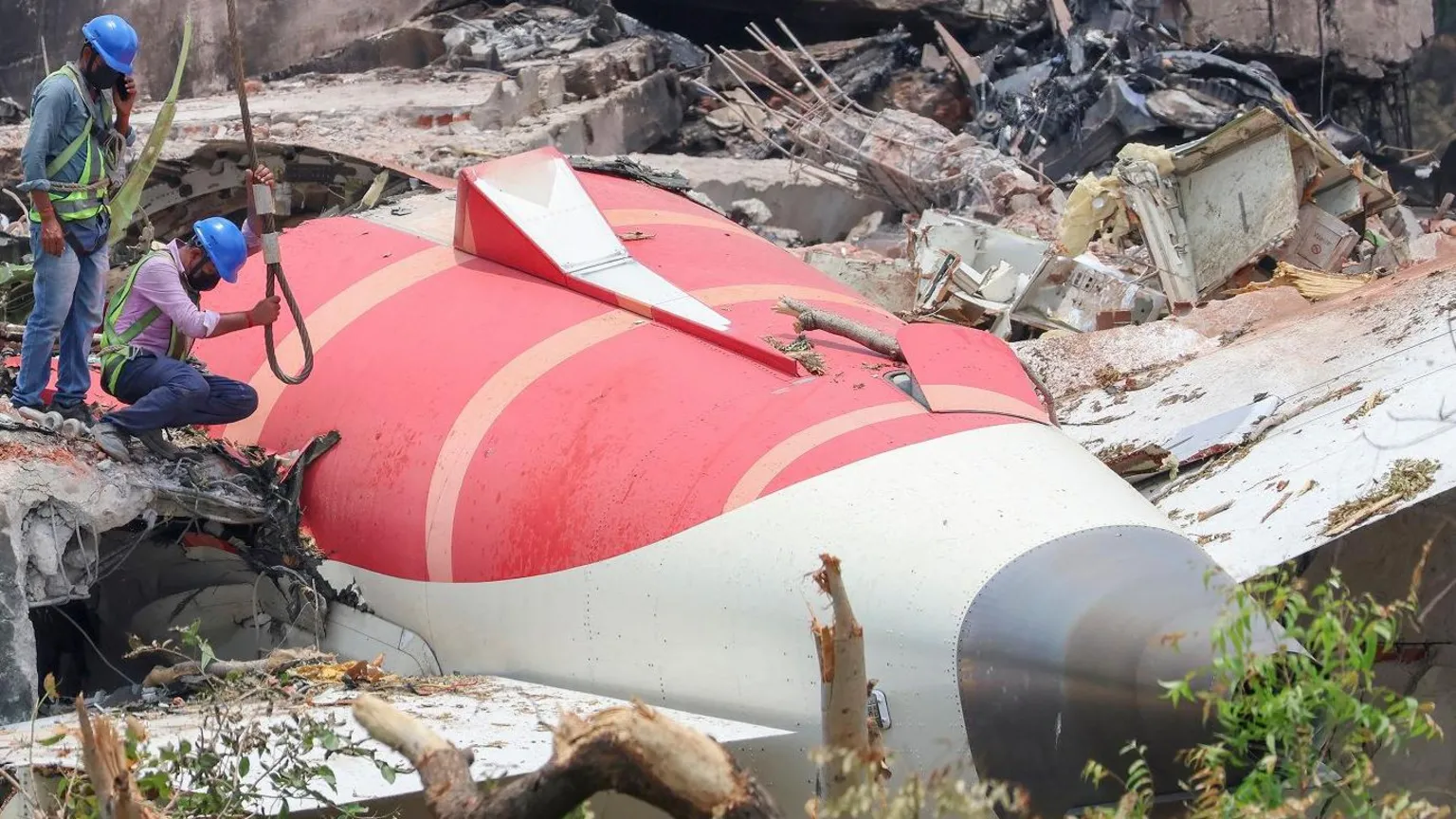
A US-based aviation safety group has claimed that the Air India aircraft involved in last year’s fatal crash had a troubling history of technical defects, including an in-flight fire, raising fresh questions as the official investigation continues.
The Boeing 787 Dreamliner crashed shortly after take-off from Ahmedabad on 12 June while en route to London, killing 260 people. The aircraft, registered as VT-ANB, was one of the earliest 787 models built and had been in service with Air India since early 2014.
The Foundation for Aviation Safety (FAS), a US aviation safety advocacy organisation, says it has obtained documents showing the aircraft experienced repeated system failures from its first day of service. The group has submitted a presentation outlining its findings to the US Senate Permanent Subcommittee on Investigations, which last year held hearings into Boeing’s safety culture.
According to the Foundation, the aircraft suffered from a wide range of issues, including electronics and software faults, recurring circuit breaker trips, wiring damage, short circuits, loss of electrical power, and overheating of power system components. One of the most serious incidents allegedly occurred in January 2022, when a fire broke out in a P100 power distribution panel during a flight into Frankfurt. The damage was reportedly so severe that the entire panel had to be replaced.
The Boeing 787 relies more heavily on electrical systems than previous generations of aircraft, replacing many mechanical and pneumatic components to improve efficiency. However, the design faced early challenges, including battery fires in 2013 that led to the temporary grounding of the global 787 fleet. The P100 power panel itself was redesigned in 2010 following a fire on a test aircraft.
India’s Aircraft Accident Investigation Bureau (AAIB) is leading the official probe into the Ahmedabad crash, with support from US authorities. A preliminary report released a month after the accident sparked controversy by noting that fuel control switches had been moved from “run” to “cut-off” shortly after take-off, cutting fuel to the engines.
The report cited cockpit voice recordings in which one pilot questioned why the fuel had been cut off, while the other denied doing so. This led to speculation that pilot action may have caused the crash. However, victim representatives, pilot associations, and safety experts in both India and the US have criticised this focus, arguing that it may distract from potential technical failures.
The Foundation for Aviation Safety, led by former Boeing manager Ed Pierson, has described the preliminary report as inadequate and says its concerns extend beyond the crashed aircraft. The organisation claims to have reviewed around 2,000 failure reports involving other 787 aircraft in multiple countries, including incidents of water leaks into wiring bays.
Boeing has consistently maintained that the 787 Dreamliner has a strong safety record, noting that it had flown for nearly 15 years without a fatal accident prior to the Ahmedabad crash. The company declined to comment on the claims, citing the ongoing investigation, and referred inquiries to the AAIB.