Sri Lanka
 USA
USA Canada
 India
India UK
UK UAE
UAE




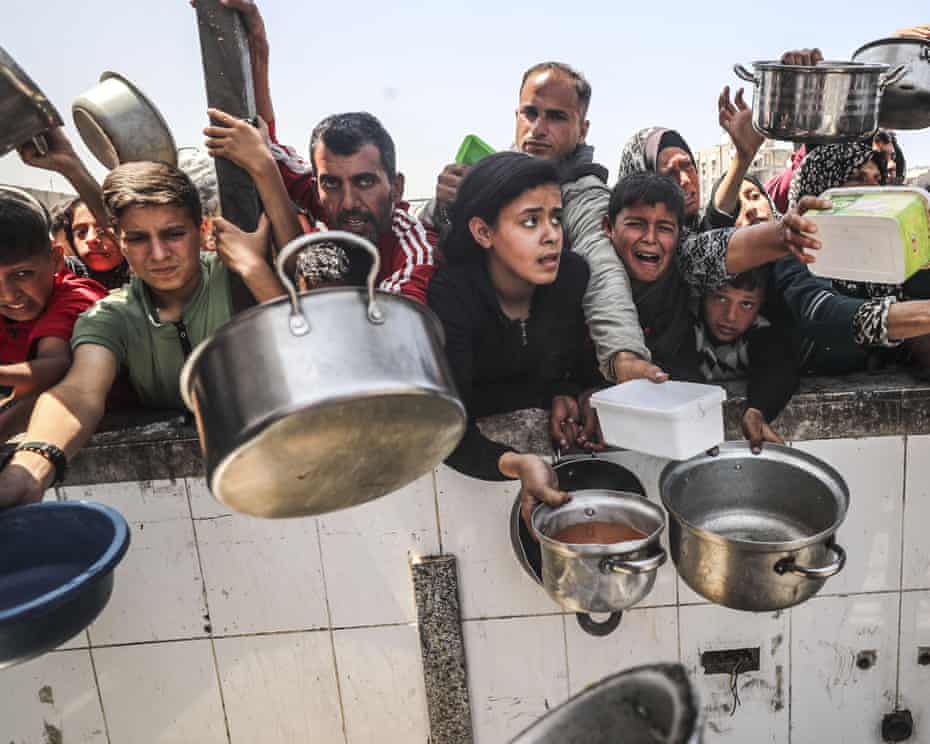
International aid organizations are raising serious concerns over a U.S.-backed Israeli plan to restart limited humanitarian aid to Gaza—a plan critics say could violate international law and enable war crimes.
The proposal, which has gained strong support from the Trump administration, would resume food and medical deliveries under strict Israeli conditions, routed through a new Gaza Humanitarian Foundation (GHF) based in Geneva. Aid would be distributed via four designated hubs, overseen by private U.S. security contractors using facial recognition technology to screen recipients.
Humanitarian groups, including the World Food Programme (WFP) and World Central Kitchen, have been pressured to comply, with U.S. officials reportedly threatening budget cuts for non-compliance. The plan follows a two-month blockade by Israel after the collapse of a ceasefire, which has left 2.3 million people in Gaza facing starvation.
More than 52,000 Palestinians have been killed since the start of Israel’s military campaign in response to the October 2023 Hamas attack, which left 1,200 Israelis dead.
Critics of the plan warn that it risks centralizing, militarizing, and politicizing humanitarian aid, potentially blocking access for the most vulnerable. “It’s a scheme dressed as aid but aimed at deepening the military occupation,” said one source close to humanitarian discussions.
Joseph Belliveau, director of MedGlobal, called the plan “dangerous and impractical,” warning that centralized aid under armed supervision will deter many civilians from accessing help. “People won’t come to a militarized distribution hub if they fear for their safety.”
Despite opposition, the U.S. is intensifying pressure. Trump’s Middle East envoy Steve Witkoff has been meeting UN officials to promote the plan. Trump told reporters, “The people of Gaza are starving, and we’re going to help them get food,” though he has also floated controversial proposals, including turning Gaza into a “Riviera” and relocating its population.
A U.S. State Department spokesperson claimed the goal is to “get help to people now” while preventing aid from reaching Hamas.
But for humanitarian organizations, the stakes are clear: without full neutrality and access, aid delivery may become complicit in displacement, starvation, and human rights violations.