Sri Lanka
 USA
USA Canada
 India
India UK
UK UAE
UAE




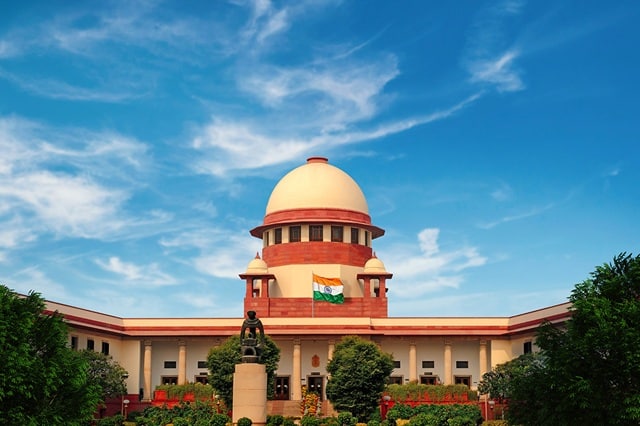
In a historic judgment, the Supreme Court of India has granted permission for passive euthanasia for Harish Rana, a 32-year-old man from Ghaziabad who has remained in a coma for 13 years following a severe brain injury caused by a fall. The ruling is believed to be the first case in India where the court has clearly authorized the withdrawal of life-sustaining medical care under such circumstances.
The verdict was delivered by a bench comprising Justices J.B. Pardiwala and K.V. Viswanathan. The judges acknowledged the emotional complexity of the case while stressing that compassion and human dignity must be central considerations in treating patients with irreversible medical conditions.
A Case That Reached the Apex Court
Harish Rana has been in a persistent vegetative state since the accident that left him with critical brain damage. According to medical professionals who examined him over the years, his condition showed no possibility of recovery.
For more than a decade, his life has been maintained in hospital through artificial feeding tubes. With no signs of improvement and the ongoing emotional and physical burden involved, Rana’s parents eventually approached the courts requesting permission to withdraw medical support so that their son could pass away peacefully.
After the case reached the Supreme Court, the bench approved the withdrawal of life-sustaining treatment under medical supervision in a hospital environment, allowing Rana the possibility of a dignified end.
Clarifying Earlier Euthanasia Guidelines
The judgment also elaborates on the court’s earlier 2018 ruling that recognized passive euthanasia and affirmed the “right to die with dignity” under specific conditions.
While the earlier decision allowed the withdrawal of life-support systems such as ventilators for patients in irreversible medical states, it did not clearly address situations where survival depended mainly on artificial nutrition provided through feeding tubes.
The judges noted that this ambiguity had created practical challenges for doctors in implementing passive euthanasia in Rana’s case. The latest ruling clarifies that such medical sustenance can also be discontinued when appropriate legal and medical safeguards are followed.
Legal Safeguards for Passive Euthanasia
Indian law requires a strict review process before passive euthanasia can be carried out. A primary medical board consisting of three doctors must first assess the patient and confirm that the condition is irreversible.
If this board recommends stopping treatment, the case must then be reviewed by a second independent medical board. Only when both panels agree can life-supporting treatment be withdrawn, usually under judicial oversight to ensure transparency and prevent misuse.
A Landmark Moment for End-of-Life Rights
Legal experts say the Harish Rana case could serve as a key reference for future end-of-life decisions in India. By clarifying the scope of the 2018 guidelines, the Supreme Court has addressed a major legal grey area surrounding passive euthanasia.
For Rana’s family, the ruling brings a sense of closure after more than a decade of emotional hardship. For India’s legal and medical communities, the decision represents a significant development in interpreting the constitutional principle of the right to die with dignity.