Sri Lanka
 USA
USA Canada
 India
India UK
UK UAE
UAE




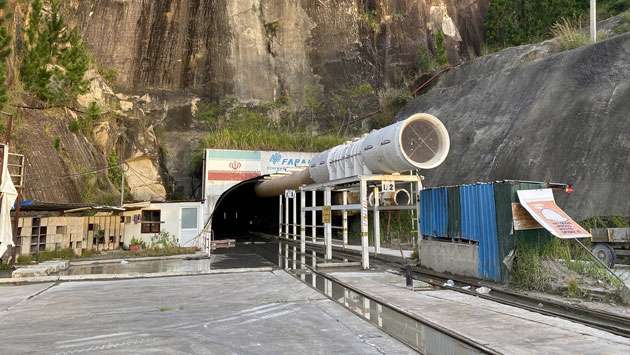
Sri Lanka’s Supreme Court has ruled that no additional relief can be provided by the government in relation to the Uma Oya Multipurpose Development Project, stating that continuing the case would serve no meaningful purpose.
The Supreme Court of Sri Lanka has determined that there is no further relief the government can provide to those affected by the Uma Oya Multipurpose Development Project, bringing an end to a long-running legal battle over environmental and social impacts caused by the project.
The case was filed by the Centre for Environmental Justice (CEJ) on behalf of residents in the Uma Oya area, alleging that the project was implemented without properly following the Environmental Impact Assessment (EIA) process. The petition highlighted severe environmental damage and hardships faced by communities living in the affected regions.
Constructed between Welimada–Diyaraba and Ella–Karandagolla, the project experienced significant water leakages and soil subsidence during its development. At its peak, reports indicated that approximately 3.6 million litres of water per hour leaked through the tunnel system, leading to structural damage and putting nearly 3,000 houses and buildings at risk of collapse.
Communities in several areas of the Badulla District, including Welimada, Bandarawela, Puhulpola, Makulella, Heeloya, and surrounding regions, were severely impacted. Many wells dried up, and access to safe drinking water became a critical issue for residents. The situation also led to widespread public protests and demands for compensation.
In response, authorities introduced compensation measures and relief projects, including what was reported as the highest compensation payments for crop damage in Sri Lanka. Additional water-related projects were also implemented to mitigate the effects of the project on local communities.
When the case was taken up on January 11, the Supreme Court observed that various forms of relief had already been provided by successive governments over the 11 years the case was pending. The Court concluded that there was no indication of further assistance that the government could offer, ruling that continuing the case would be unnecessary.
Although the current government appointed a Cabinet committee to review the matter, the public has not been informed about any decisions taken by the committee. Attorney-at-Law Sawanthi Ponnamperuma appeared in court with Senior Attorney-at-Law Ravindranath Dabare, on the advice of Attorney-at-Law Nilmal Wickramasinghe, representing the affected residents.