Sri Lanka
 USA
USA Canada
 India
India UK
UK UAE
UAE




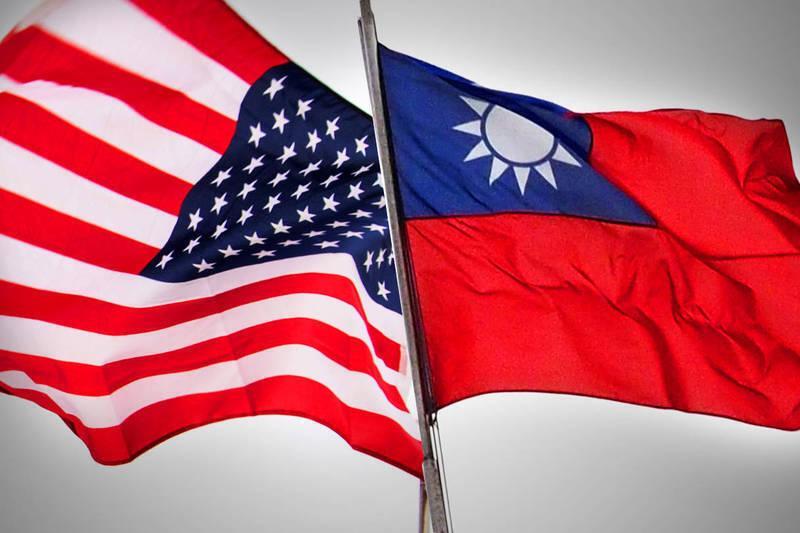
Officials from the Trump administration have finalized a reciprocal trade agreement with Taiwan, establishing a 15% U.S. tariff on imports from the island while committing Taiwan to a timetable for reducing or eliminating tariffs on nearly all American products.
According to a statement from the U.S. Trade Representative’s office, the agreement also obliges Taiwan to significantly increase purchases of U.S. goods between 2025 and 2029. Key items include $44.4 billion in liquefied natural gas and crude oil, $15.2 billion in civil aircraft and engines, $25.2 billion in power grid equipment and generators, as well as marine and steelmaking machinery.
This final deal builds upon a trade framework reached in January, which had already reduced tariffs on Taiwanese products—including semiconductors—from 20% to 15%, putting Taiwan on a level playing field with regional competitors such as South Korea and Japan.
Taiwanese President Lai Ching-te hailed the agreement as a transformative step for Taiwan’s economy, saying it would strengthen industrial supply chains and foster a high-tech strategic partnership with the United States. The deal also grants Taiwan exemptions from reciprocal tariffs on over 2,000 exported items, lowering the average U.S. tariff on Taiwanese goods to 12.33%. Parliamentary approval in Taiwan, where the opposition holds a majority, is still required.
The initial January framework included a pledge by Taiwanese companies to invest $250 billion in the U.S. across semiconductors, energy, and artificial intelligence, with $100 billion already committed by Taiwan Semiconductor Manufacturing Corp.. The agreement confirms that Taiwan’s representative office in the U.S. will work with American authorities to facilitate further investments in advanced technology sectors.
Under the new tariff schedule, Taiwan will immediately remove tariffs of up to 26% on many U.S. agricultural products, including beef, dairy, and corn. Certain tariffs, such as 40% on pork belly and 32% on ham, will drop to 10%. Non-tariff barriers will also be addressed, with Taiwan agreeing to align motor vehicle, medical device, and pharmaceutical standards with U.S. regulations.
U.S. Trade Representative Jamieson Greer emphasized that the agreement will open up additional export opportunities for American farmers, manufacturers, and workers while enhancing the resilience of supply chains in high-tech sectors.
The U.S. trade deficit with Taiwan surged to $126.9 billion in the first 11 months of 2025, up from $73.7 billion in all of 2024, largely driven by increased imports of high-end AI chips, according to U.S. Census Bureau data.