Sri Lanka
 USA
USA Canada
 India
India UK
UK UAE
UAE




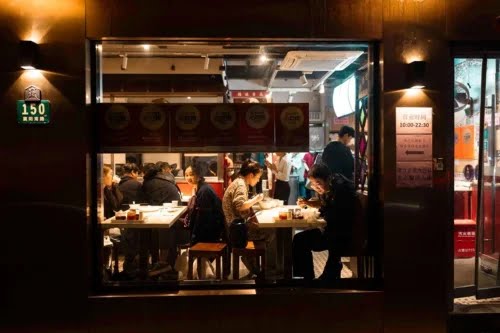
China’s restaurant industry, long considered resilient, is facing a surge of closures as domestic consumption weakens and deflationary pressures persist, highlighting challenges in the world’s largest consumer market.
Several high-profile Chinese dining chains have recently shut down or entered bankruptcy, underscoring the severity of the downturn in the restaurant sector.
Shanghai Xiaonan Guo, once listed on the Hong Kong stock exchange with over 80 outlets and annual revenue exceeding 2 billion yuan (~$280 million), closed after more than 40 years in business due to weak sales and rising debt, leaving some employee wages unpaid.
Zhuhai Guo, a potential rival to global hot pot chain Haidilao, reportedly collapsed amid sluggish consumption, with a debt ratio nearing 500%.
Media reports suggest that over 3 million restaurants nationwide closed last year, affecting both small and large operators. Haidilao, one of China’s most prominent hot pot brands, is reportedly under financial strain, though the company has not announced bankruptcy.
Industry analysts attribute the downturn to weak domestic consumption, persistent deflation, and changing spending habits among younger consumers, who are increasingly prioritizing frugal lifestyles over dining out.
Historically, the restaurant sector in China has been considered stable, reflecting the cultural importance of food. However, with economic recovery still uncertain, experts warn that more closures may be imminent.