Sri Lanka
 USA
USA Canada
 India
India UK
UK UAE
UAE




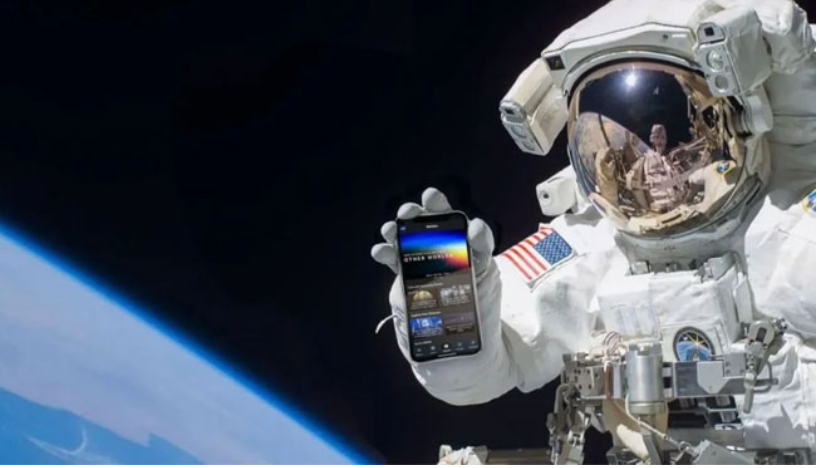
NASA is preparing to introduce a modest but symbolic update to its spaceflight rules: astronauts traveling to the Moon will soon be permitted to carry modern smartphones on their missions.
The change was announced by NASA Administrator Jared Isaacman, who revealed that crew members aboard the upcoming Crew-12 flight and the Artemis II lunar mission will be allowed to use approved smartphones, including iPhones. The devices will enable astronauts to take photos and videos, document their journeys more naturally, and stay in closer touch with loved ones while in space.
Until now, astronauts have relied on laptops and specialised onboard systems for communication and photography. While they can email, message, and make video calls from the International Space Station, personal smartphones were not previously cleared for spaceflight due to concerns about safety, system interference, reliability, and cybersecurity.
NASA says those concerns have now been addressed. The agency has tested and certified modern smartphones to meet strict spaceflight standards, ensuring they will not disrupt spacecraft operations. Isaacman noted that the approval process was accelerated by revisiting older requirements and focusing on practical risk assessments.
Beyond convenience, the move is intended to make space exploration feel more human. Smartphones offer an easy way to capture spontaneous moments and share a more personal view of life in space, rather than relying solely on mission-planned imagery.
The decision also reflects a broader shift in NASA’s culture toward greater flexibility and innovation as it gears up for extended lunar missions and future journeys to Mars.
Though the phones will not be used for entertainment or casual browsing, their inclusion represents a meaningful step in improving crew experience. For astronauts venturing far from Earth, a familiar device can provide a small sense of normalcy — and sometimes, that can make a big difference.