Sri Lanka
 USA
USA Canada
 India
India UK
UK UAE
UAE




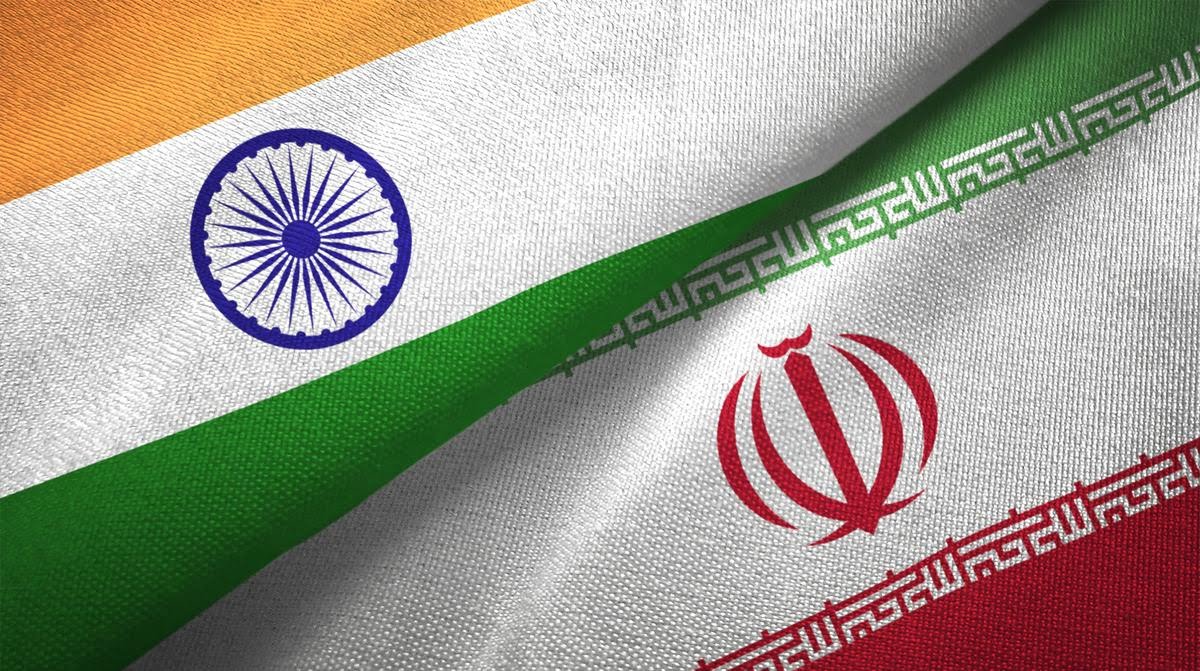
India’s diplomatic and economic ties with Iran have come under renewed strain following a warning issued by U.S. President Donald Trump, who announced that any country maintaining trade relations with Iran would face a 25% tariff when conducting business with the United States.
According to government sources quoted by The Hindu, India is preparing to further reduce its trade with Iran during the current financial year, citing “external economic factors.” The development comes at a sensitive moment, as India is scheduled to host the BRICS Summit in 2026, marking 75 years of diplomatic relations between India and Iran.
The U.S. stance has also raised uncertainty over the anticipated visit of Iranian Foreign Minister Syed Abbas Araghchi to New Delhi later this month. The visit was expected to address bilateral cooperation and the welfare of Indian nationals in Iran, amid growing instability in the region.
Speaking earlier this week, External Affairs Minister S. Jaishankar outlined India’s vision for BRICS 2026, emphasizing the bloc’s capacity to absorb “global shocks.” Iran’s position within BRICS places India’s Iran policy under closer international scrutiny, particularly as New Delhi is a founding member of the grouping.
Mr. Jaishankar made the remarks during the launch of the BRICS 2026 logo, an event attended by ambassadors from BRICS member states, including representatives from Russia and Iran. Later the same day, he confirmed holding discussions with U.S. Secretary of State Marco Rubio, covering areas such as trade, defence, energy, nuclear cooperation, and critical minerals.
India–Iran relations were expected to witness significant engagement this year, including efforts to expand India’s role at Iran’s Chabahar Port, a key strategic project supporting India’s connectivity with Central Asia, Russia, and Afghanistan. Iran became a full BRICS member on January 1, 2024, following the bloc’s expansion at the 2023 summit in South Africa.
Officials noted that Iran’s President would not face legal barriers in travelling to India for the BRICS summit. However, escalating tensions with the United States and ongoing domestic unrest in Iran have created uncertainty. Reports indicate widespread protests, internet blackouts, and increased diplomatic caution.
Indian authorities have confirmed that the Indian Embassy in Iran remains in contact with Indian nationals amid the unrest. The welfare of Indian citizens was expected to be a key focus of Mr. Araghchi’s proposed visit, which would be his second trip to India within a year.
Despite Iran’s consistent support for India on international platforms, including on the issue of Kashmir, diplomatic sources say the evolving geopolitical situation may affect the timing and scope of future engagements. An official confirmation regarding the Iranian Foreign Minister’s visit is still awaited.