Sri Lanka
 USA
USA Canada
 India
India UK
UK UAE
UAE




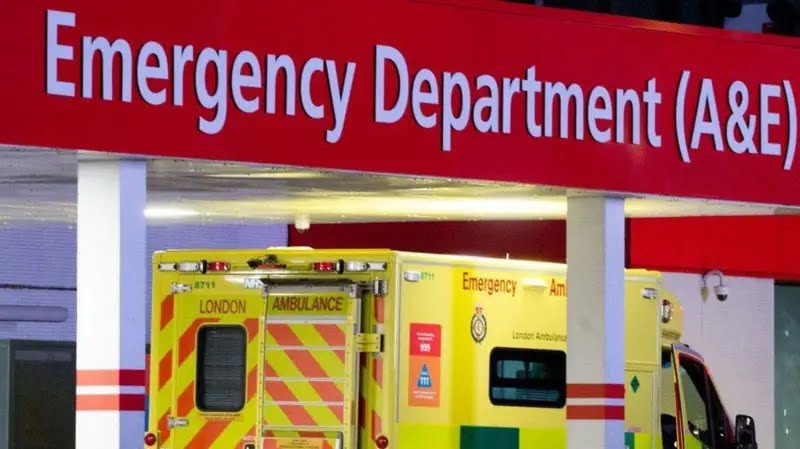
Hospitals across England are under intense strain as a severe wave of “super flu” continues to spread, with no indication of reaching its peak. According to NHS England, the number of hospitalised influenza patients has surged by more than 50% within a week.
Data shows that in the week ending Sunday, an average of 2,660 patients per day were admitted with flu — and the numbers have kept rising in the days since. NHS officials warn that the figure could surpass 5,000 by the weekend, effectively filling the equivalent of three hospitals with flu patients.
Similar upward trends are being reported in Scotland, Wales, and Northern Ireland, with children and teenagers particularly affected. Some schools have reintroduced Covid-style safety measures to curb the spread, and at least one school in Caerphilly temporarily closed due to overwhelming cases.
In England, flu positivity is highest among children aged 5 to 14, though the most severe hospitalisations are recorded among seniors over 75 and children under five.
Health Secretary Wes Streeting described the situation as an extraordinary challenge, stating that this winter could bring the NHS its hardest test since the pandemic. He also warned that admissions may triple before the season peaks.
NHS medical director Prof. Meghana Pandit called the situation unprecedented, emphasising that frontline staff are stretched to their limits. Flu hospitalisation levels are now the highest recorded at this point in the season since monitoring began in 2021.
Experts attribute the early and rapid rise in cases to a mutated strain of flu (H3N2), which the public has limited immunity to due to genetic changes in the virus.
Adding to the pressure, more than 350 patients are currently hospitalised with norovirus, the highly contagious winter vomiting bug.
This crisis unfolds just ahead of a planned strike by resident (junior) doctors. The government has urged doctors to suspend strike action, arguing that walkouts during such a severe flu surge could worsen the situation for patients.
Health officials continue to encourage all eligible groups — including seniors, pregnant women, and those with health conditions — to get vaccinated as soon as possible, warning that time is running out to build immunity before Christmas. Vaccination protection takes up to two weeks to become fully effective.
Medical experts stress that while infection data shows slight fluctuation, it is too early to conclude that the flu wave has reached its peak, noting that a brief lull can quickly be followed by another sharp rise.