Sri Lanka
 USA
USA Canada
 India
India UK
UK UAE
UAE




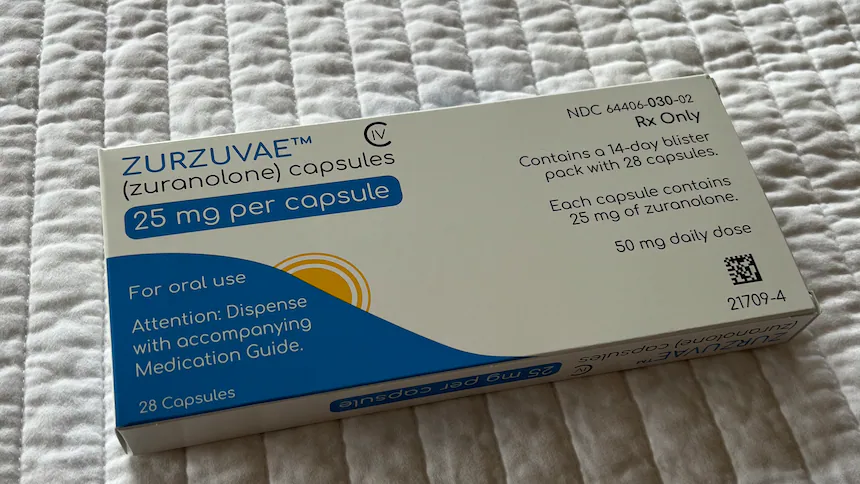
Health Canada has officially approved Zurzuvae (zuranolone), marking the country’s first dedicated medication for treating moderate to severe postpartum depression—a condition affecting thousands of new mothers across Canada.
Health Canada has granted authorization for zuranolone, the first medication in the country specifically developed to treat postpartum depression. Sold under the brand name Zurzuvae, the pill is intended to relieve symptoms of moderate to severe depression that occur after childbirth.
Biogen, the developer of the drug, announced that Zurzuvae will be taken once daily for 14 days and is expected to be available in early 2026. Coverage decisions will still need to be made by government health plans and private insurers.
According to Health Canada, zuranolone has undergone a comprehensive evaluation, confirming that the medication meets the required standards of safety, effectiveness, and quality, with benefits outweighing risks when used appropriately. The medication has already been approved in the U.S., U.K., and the European Union.
Psychiatry experts say the approval may help reduce the stigma and self-blame often associated with postpartum depression, highlighting that biological factors play a significant role. Symptoms of the condition can include extreme mood swings, anxiety, irritability, feelings of guilt or worthlessness, difficulty bonding with the baby, and overwhelming exhaustion.
Unlike traditional antidepressants that may require extended treatment periods, zuranolone works more rapidly. Clinical trials showed that some patients experienced noticeable improvement as early as day three, with 27% reporting no depressive symptoms by day 15.
The medication acts differently from SSRIs, targeting GABA receptors through a synthetic version of a pregnancy-related hormone metabolite. Researchers believe this mechanism helps restore healthy brain function during periods of high stress.
While experts welcome the new treatment option, they caution that it is not suitable for everyone. It is not recommended during pregnancy or breastfeeding, and up to 30% of patients may experience significant drowsiness, prompting guidelines against driving within 12 hours of taking the medication.
Despite its promise, the long-term duration of its effects remains unknown, and clinicians emphasize that psychotherapy continues to be the first-line treatment for postpartum depression.