Sri Lanka
 USA
USA Canada
 India
India UK
UK UAE
UAE




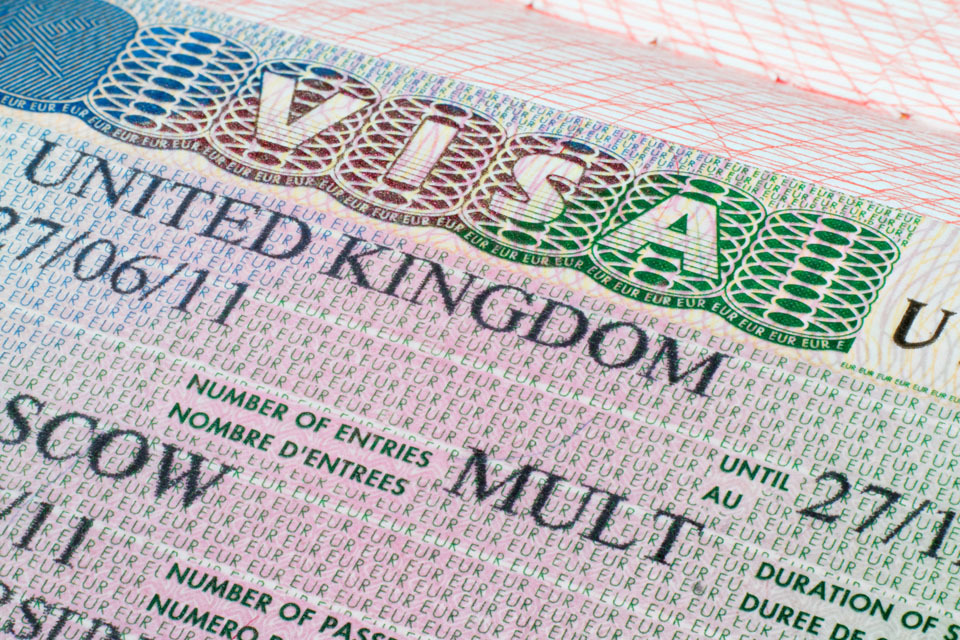
One of the United Kingdom’s most respected scientific figures, Prof. Sir Paul Nurse, has warned that the government’s current visa regime for science researchers is putting the nation’s economic future at risk. Speaking to BBC News, the Nobel Prize-winning biologist said the UK is “shooting itself in the foot” by imposing some of the highest visa fees in the world, discouraging early-career researchers who are now turning instead to the UK’s global competitors.
Supporters of the current visa structure argue that higher fees help support the NHS and reflect growing public unease over immigration levels. However, Sir Paul—newly appointed President of the Royal Society—said that steep costs, funding pressures, and restrictive immigration rules are sending the wrong signal to international talent.
“Having expensive visa costs is shooting yourself in the foot. It absolutely doesn’t help in attracting these sorts of people,” he said. Sir Paul added that countries such as China and Singapore are actively recruiting international researchers while the UK is creating unnecessary obstacles.
“Why do we put hurdles in the way of the people that are actually going to drive our economy? It makes zero sense,” he said, calling the UK’s scientific base “fragile” due to rising costs and policy uncertainty.
Scientists seeking UK visas must pay an annual NHS surcharge and prove they hold thousands of pounds in savings before entry—requirements Sir Paul urges ministers to reconsider.
Sir Paul, who has advised several prime ministers including Boris Johnson, argued that these rules undermine Britain’s long-term innovation strategy at a time when global competition for scientific talent is intensifying.
The Home Office says the Immigration Health Surcharge ensures visa holders contribute to their healthcare, and savings requirements prevent reliance on public funds.
Think tank Centre for Policy Studies also stresses the need to maintain tight migration limits as it pushes for net migration to fall back to the “tens of thousands.” However, its policy expert Karl Williams acknowledged that scientific workers represent a tiny portion of overall migration.
According to the latest Home Office figures, just 323 people received UK visas for jobs in natural and social sciences in the most recent quarter—numbers Williams says are too small to meaningfully impact overall migration trends.
“Even if you doubled that, it wouldn’t make a huge difference,” he told BBC News, adding that the UK still lacks a structured approach to balancing sector-specific immigration needs.