Sri Lanka
 USA
USA Canada
 India
India UK
UK UAE
UAE




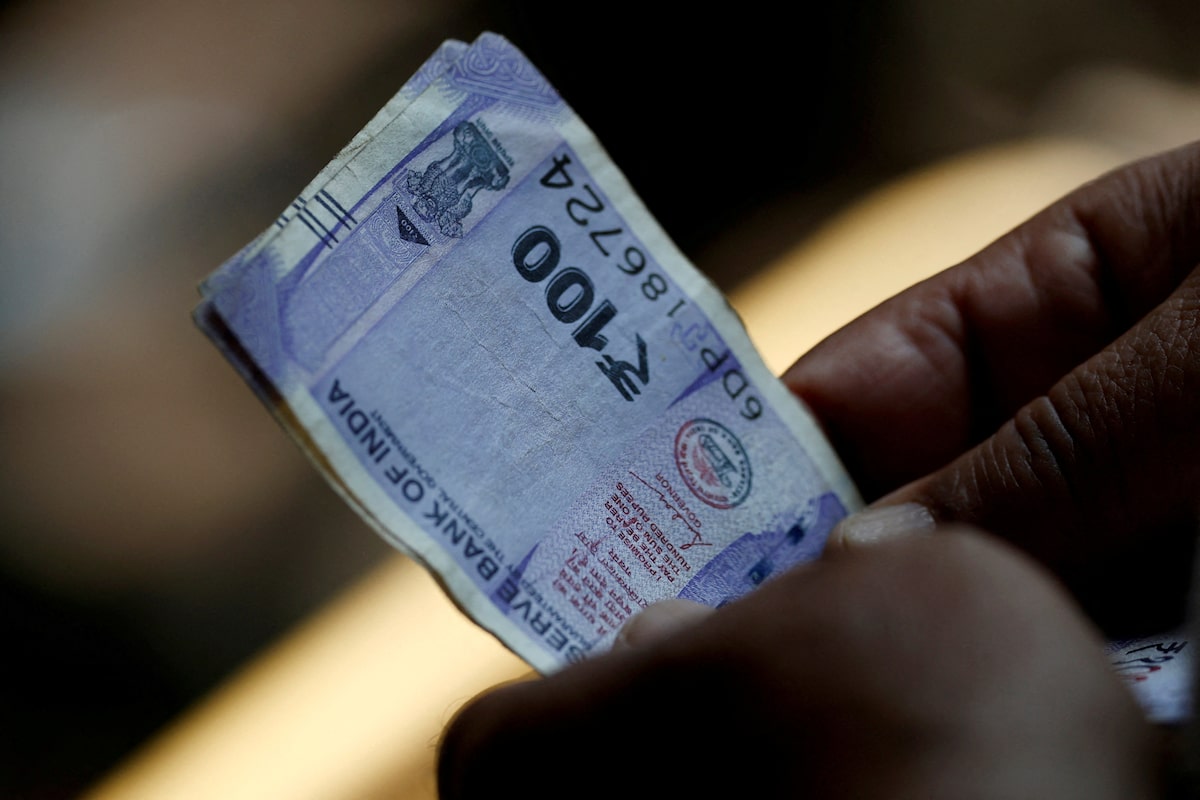
The Indian rupee fell past the 90-per-dollar mark for the first time on Wednesday, pressured by persistent trade weaknesses and declining foreign inflows, despite India’s strong economic growth performance.
The currency slipped to a record low of 90.14 against the U.S. dollar, surpassing Tuesday’s previous low of 89.9475. By midday, it was trading at 90.07, marking a 0.22% decline and extending its losing streak to a sixth consecutive session.
This weakening trend highlights the widening gap between India’s robust domestic growth and its deteriorating external sector. Rising U.S. tariffs and subdued capital flows have intensified pressure on the rupee. With a nearly 5% drop so far this year, the currency is on course for its sharpest annual decline since 2022, making it the worst-performing currency in Asia.
Analysts said the rupee may face further depreciation unless progress is made on trade negotiations. ANZ economist Dhiraj Nim noted that India may require such adjustments until a trade deal is secured. The bank projects the rupee could fall to 91.30 by the end of next year, or even sooner if current conditions persist.
Weak Foreign Flows Deepen Pressure
Foreign investors have withdrawn nearly $17 billion from Indian equities in 2025, while foreign direct investment has remained subdued. External commercial borrowing has also softened, reflecting broad-based outflows that have heavily strained India’s capital account.
This comes as India’s trade deficit widened to an unprecedented $40+ billion in October, worsening the dollar demand-supply imbalance and exerting additional pressure on the rupee.
Analysts warn that weakening GDP growth, declining FDI, and continued equity sell-offs create an environment in which a declining rupee becomes inevitable.
RBI’s Limited, Staggered Intervention
According to bankers, the Reserve Bank of India (RBI) has been intervening in short, staggered actions rather than aggressively defending the currency. While the RBI has ample forex reserves to manage excessive volatility, its strategy suggests a reluctance to deploy a full-scale defence.
Experts believe the central bank must remain vigilant to avoid creating a one-way trend that may embolden market speculators and cause sharp volatility in the USD–INR pair.