Sri Lanka
 USA
USA Canada
 India
India UK
UK UAE
UAE




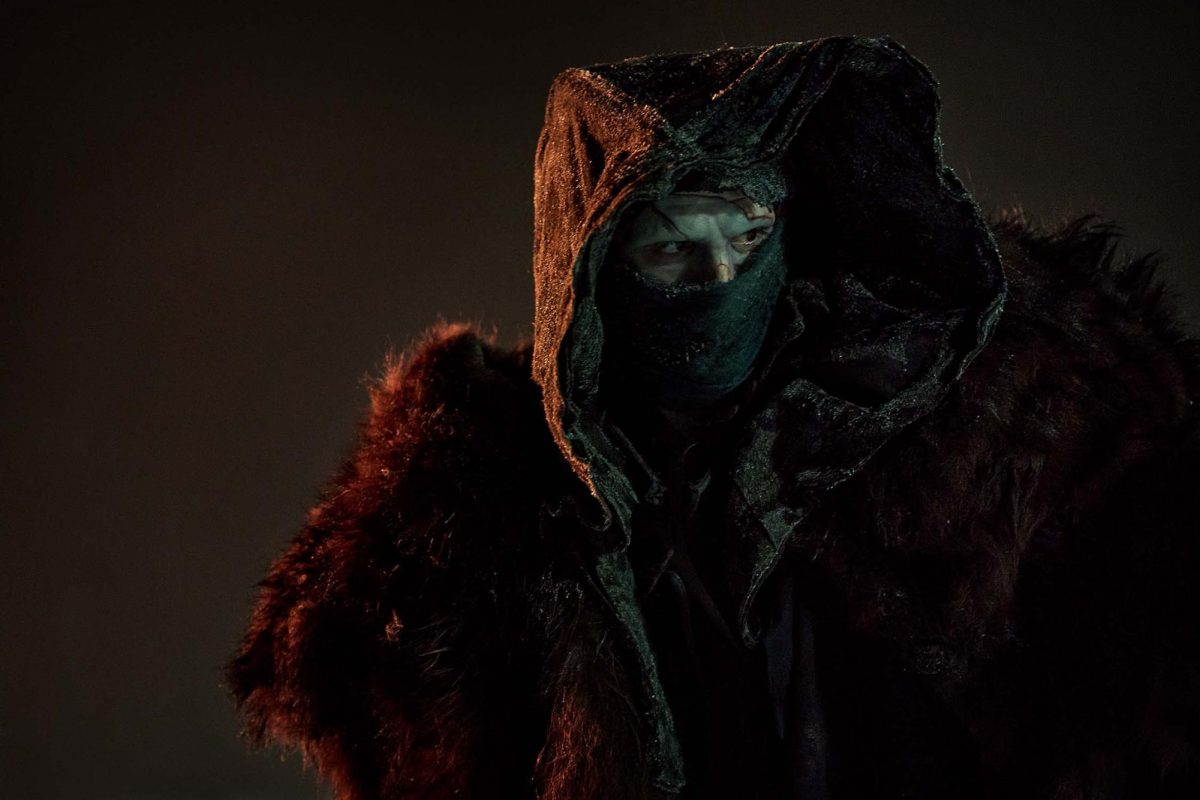
Guillermo del Toro’s Frankenstein, released in theaters in October and now streaming on Netflix as of November 7, 2025, revisits one of literature’s most retold tales — and manages not only to honour Mary Shelley’s original work, but to reinvent it with emotional depth, raw humanity, and sweeping visual beauty.
Starring Oscar Isaac as Victor Frankenstein and Jacob Elordi as the Creature, the film follows the ambition, creation, and inevitable downfall of a man desperate to craft life from death. Shifting between the perspectives of creator and creation, del Toro frames the story as a deeply personal exploration of love, morality, faith, and responsibility.
Rather than strictly following Shelley’s novel, del Toro reshapes family relationships to intensify the film’s emotional stakes. Victor is no longer raised in warmth and privilege, but instead in a household marked by abuse, particularly from his father. His complex relationship with his brother William — played by Felix Kammerer — becomes a central emotional fracture. Mia Goth plays dual roles as Elizabeth Harlander, now William’s fiancée, and Victor’s mother Claire, making Victor’s inner world even more tangled and haunted.
These altered relationships sharpen the viewer’s understanding of Victor’s choices — and his inability to love or empathize, even as the being he creates longs desperately for connection.
While the narrative shifts, the portrayal of the Creature remains beautifully faithful to Shelley’s vision. Instead of a mute, green monster with bolts in his neck, Elordi performs the role with vulnerability, pain and innocence. His Creature is eloquent, curious, heartbroken and terrifying when abandoned — a being who is both gentle and dangerous, shaped by the world’s cruelty. His scarred, human-like appearance challenges viewers to question what truly makes a monster.
This tension pulses throughout the film. The question “Who is the monster?” lingers, answered and unanswered at once. Victor and the Creature become reflections of one another — not villain and victim, but two flawed souls linked by horror and longing.
Religious symbolism infuses the film — red angels, echoes of Babel, the dangerous reach for godhood — crafting a visual sermon on ambition, creation and the price of crossing natural boundaries.
No matter how dark the film turns, Frankenstein remains visually breathtaking. Every set, every costume, every shift of color tells a story. Orange gloves, the flutter of a butterfly — nothing is accidental. The film is a gallery of Gothic imagery, alive with symbolism, beauty and dread.
Yet amid the tragedy, the ending offers light. Del Toro retains Shelley’s frame narrative, but softens the despair with something rare in horror — hope. The film becomes a love letter to the original novel, but also an interpretation entirely its own: bold, aching, and astonishing.
Del Toro’s Frankenstein is not merely another adaptation. It is a resurrection — respectful of its roots, but fearlessly new. A story of gods and monsters, and how often the line between them disappears.