Sri Lanka
 USA
USA Canada
 India
India UK
UK UAE
UAE




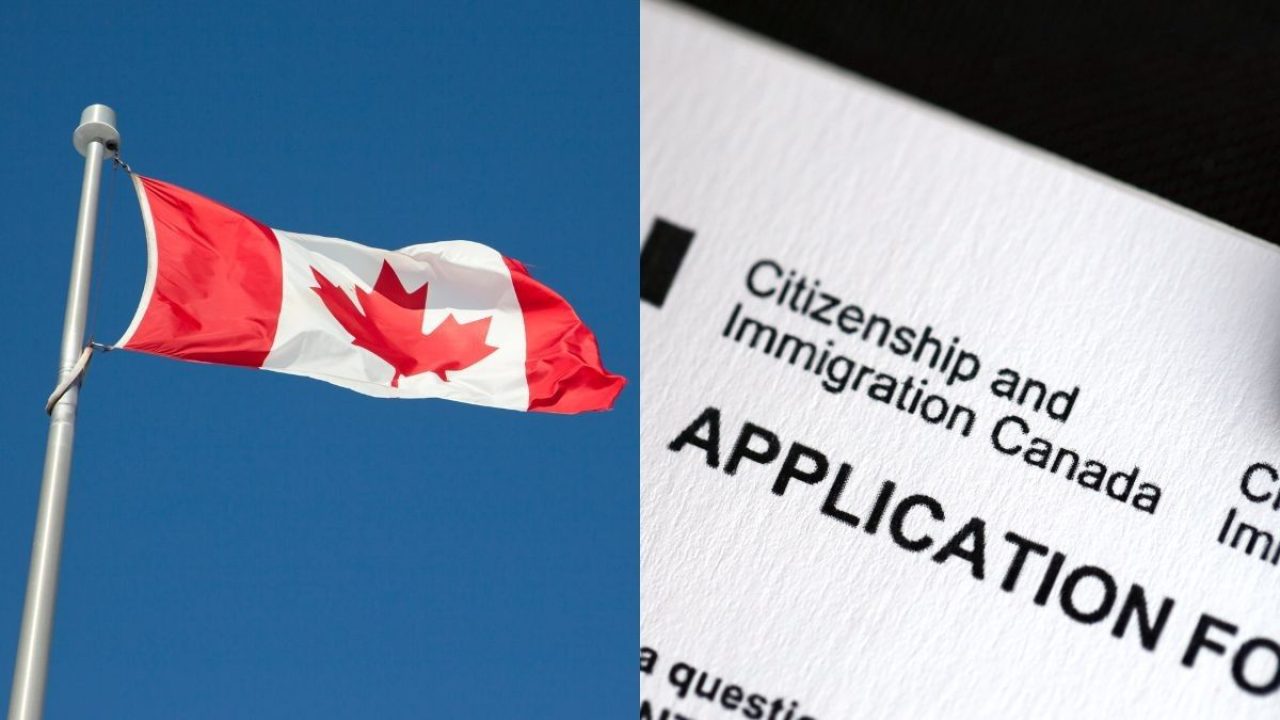
Canada has taken a historic step toward making its citizenship laws more inclusive, with the passage of Bill C-3 — a reform that will allow naturalised citizens to pass on Canadian citizenship to their foreign-born or adopted children. Thousands of Indian-origin families stand to benefit.
Canada has introduced sweeping reforms to its citizenship framework, marking a significant milestone in modernising the country’s Citizenship Act. Bill C-3, which has now received royal assent, aims to correct long-standing gaps in the law and restore citizenship pathways for individuals previously excluded due to outdated rules.
This landmark legislation allows naturalised Canadians — including many India-born citizens — to pass on citizenship to children born or adopted abroad. The move is expected to directly benefit thousands of Indian-origin families who were adversely affected by earlier restrictions.
Canada’s Immigration Minister Lena Metlege Diab described the bill as a corrective step toward fairness, noting that it addresses problems created by previous policies. “It will provide citizenship to people who were excluded by previous laws, and it will set clear rules for the future that reflect how modern families live,” she said. “These changes will strengthen and protect Canadian citizenship.”
Although the law is not yet in effect, the government is expected to set an implementation date soon, with court orders requiring the changes to be operational by January 2026.
Fixing the Legacy of ‘Lost Canadians’
A major catalyst for Bill C-3 was the controversial 2009 rule that prevented Canadians born abroad from passing citizenship to children born outside the country. This created a generation of “lost Canadians” — individuals who believed they were eligible for citizenship but were legally excluded.
The Ontario Superior Court ruled the 2009 law unconstitutional in December 2023. The federal government did not appeal the decision, paving the way for reform.
Under the new law, citizenship by descent can extend beyond the first generation, provided the parent has a “substantial connection” to Canada. This is defined as at least 1,095 days (three years) of physical presence in Canada — a standard matching the requirement for naturalisation. Lawmakers have indicated that these days will be counted cumulatively rather than consecutively.
Who Stands to Benefit?
The amendments will benefit Canadians who live abroad for work, family, or study but continue to maintain deep ties to Canada. For many Indian-origin Canadians, especially those who were unable to transmit citizenship to children born overseas, this change restores rights they have long fought for.
The legislation now awaits a cabinet order to set its activation date, with the Immigration, Refugees and Citizenship Canada (IRCC) given until early 2026 to finalise implementation.