Sri Lanka
 USA
USA Canada
 India
India UK
UK UAE
UAE




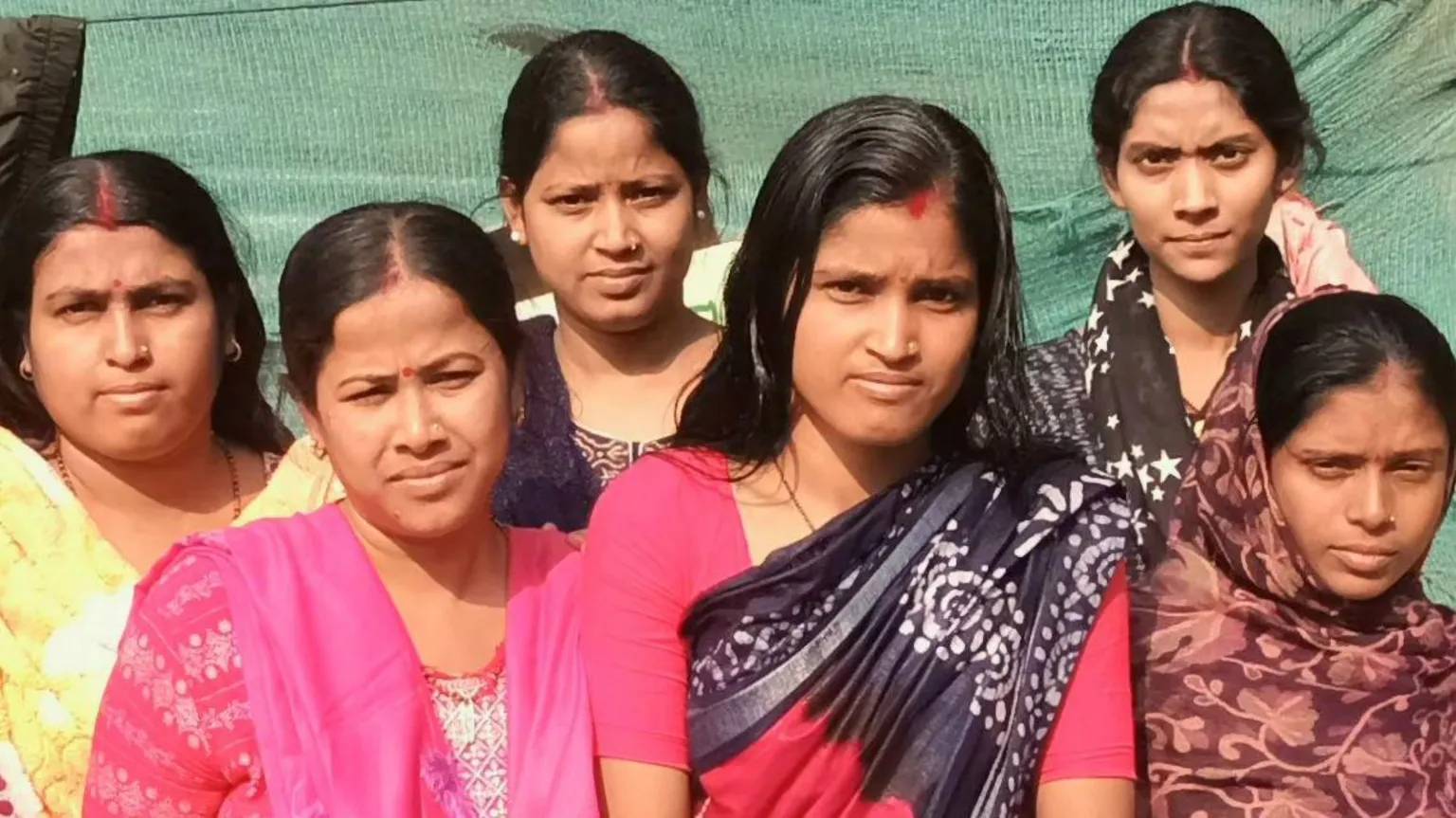
Millions of India’s migrant workers are growing anxious as the nationwide voter roll revision forces them to choose between safeguarding their voting rights and losing critical daily wages.
A rising wave of worry has swept through Rangpuri Pahari, a slum settlement in Delhi that houses thousands of migrant labourers who work as domestic helpers, cooks, mechanics, car washers and construction workers. With India’s Election Commission (EC) launching the Special Intensive Revision (SIR) of voter rolls on 4 November, many fear they may now be required to return to their home villages—an unexpected and costly journey.
The SIR process spans across 12 Indian states and federally administered regions, covering nearly 510 million voters, more than half of the country’s total electorate. Officials are currently conducting door-to-door verification, collecting voter card numbers and identity details to clean up the rolls.
For migrant workers living on daily wages, an unplanned trip home means losing income and jeopardising their jobs. Domestic worker Anjali Mondol explained that her employers only grant leave during elections or festivals. “If I take leave now, I will lose my salary. And someone else could replace me,” she told the BBC.
Others share similar fears. Subhashri Doloi had saved money to return home months later to vote—but worries she will now have to spend that money early. “How will I travel again during election time?” she asked.
Concerns are heightened by gaps in documentation, a widespread issue in rural India. Kusum Devi from Uttar Pradesh worries her Delhi-listed Aadhaar could complicate her verification. Workers from West Bengal also fear being wrongfully labeled as Bangladeshi—especially amid recent crackdowns on alleged illegal immigrants.
Although the EC has urged citizens to use the online verification option, most migrant labourers are unaware of how to navigate the digital process. Many consider it too risky.
The EC insists the process is transparent and assures voters that enough time will be given for corrections. Physical forms can be filled by the voter or any adult family member.
For this special revision, electoral rolls from 2002–2004 are being used as reference. Anyone absent from those lists must furnish additional documents such as birth certificates, passports, bank records, or caste certificates. An EC order, however, states that “no document is to be collected during the enumeration phase”, leaving many confused about the steps ahead.
While some, like factory worker Ramdhin Prajapati, believe SIR is a one-time inconvenience, others face greater urgency. West Bengal will hold elections soon, forcing migrants to potentially travel home twice in just four months.
Trade union leaders argue that help desks should be set up in major cities to assist migrant workers, who number around 139 million according to the 2011 census—though the true figures are believed to be far higher.
Neighbourhoods like Rangpuri Pahari now look to people such as Rajendranath Mallick, one of the few migrants heading back to West Bengal for the SIR. His experience will help others decide whether they too must undertake the difficult journey to retain their right to vote.