Sri Lanka
 USA
USA Canada
 India
India UK
UK UAE
UAE




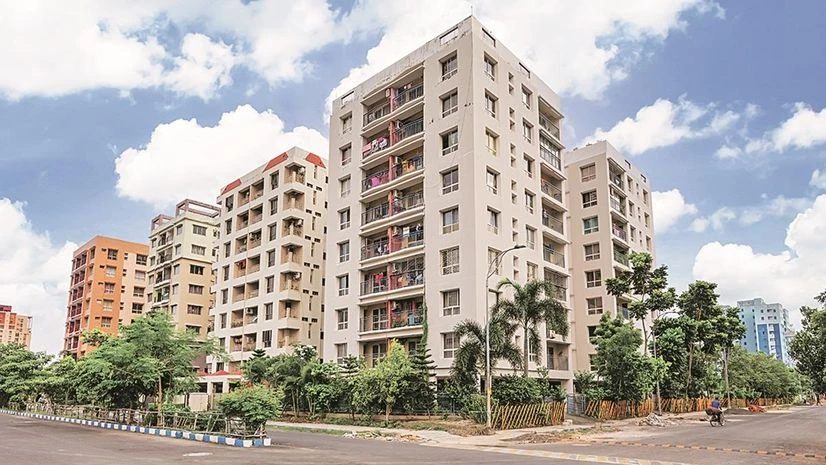
India’s housing market may be hitting its highest valuation yet — but beneath the surface, a widening gap between new project launches and actual construction threatens long-term stability, warns independent real estate analytics firm Liases Foras in its Residential Market Report for Q2 FY26.
The report, covering 75 cities and analysing over 32,000 housing projects, finds that while overall sales value jumped 15% year-on-year on the back of soaring luxury purchases and a 3% rise in national housing prices, unit sales volumes remained flat (0% YoY). Simultaneously, the construction pace has fallen to an eight-year low, raising alarms about delivery delays, execution risks, and a potential market imbalance.
Luxury Drives Record Sales Value — Affordable Housing Shrinks
The biggest engine of value growth is the luxury and ultra-luxury market.
Key sales trends:
Sales value: ₹8,27,764 crore (↑15% YoY)
Sales volume: 6,54,016 units (0% change YoY)
New supply: 5,22,955 units (↓10% YoY)
Unsold inventory: 10,11,681 units (↓7% YoY)
National Price Index: 201 (↑3% YoY)
Luxury and ultra-luxury homes recorded unprecedented momentum
Category-wise YoY sales growth:
₹2–5 crore homes: ↑25%
₹5–10 crore homes: ↑19%
>₹10 crore homes: ↑40% — the fastest-growing segment
₹1.5–2 crore segment: ↑20%
₹1–1.5 crore segment: ↑11%
Meanwhile, budget categories weakened sharply:
Affordable ₹30–40 lakh: ↓13%
₹40–50 lakh: ↓10%
Mid-segment ₹50–75 lakh: ↓7%
₹10–30 lakh priority homes: ↓21%
“The surge in high-value transactions propelled the total sales value to ₹8.27 lakh crore, masking flat unit sales across the country,” said Pankaj Kapoor, MD, Liases Foras. “The current growth cycle is highly concentrated at the top end of the market.”

Sales of units priced above ₹75 lakh have shown an upward trend, while those priced below ₹75 lakh have experienced a decline. Among luxury segments, above 10 Cr ticket size grossed maximum growth year on year in sales.

Market Has Likely Peaked, Trend Points to Stagnation
The report clearly states that India’s residential market has reached its peak.
Q1 FY26 sales: ↓3% quarter-on-quarter
Q2 FY26 sales: ↓1% quarter-on-quarter
This early slowdown follows record activity in FY24 and FY25.
“Recent quarters show a levelling off in sales, suggesting the market may have peaked and further growth is likely to stagnate,” the report notes.
The Structural Risk: Construction Slowdown
The most critical finding of the Q2 FY-26 report is the notable slowdown in the construction pace across the top eight cities, posing a significant risk to future deliveries and market stability.
The percentage of constructed supply against the total marketable supply has dropped dramatically from 75% in 2017 to just 57% in 2025.
“This widening gap between the promises of new launches and physical delivery is a serious concern. It implies slower revenue recognition for builders, increased execution risk, and greater potential for project delays,” the spokesperson added. “While builders’ commitments have soared, their delivery capacity has not kept pace, suggesting the current high sales volumes are not being matched by equivalent housing stock production.” The report draws a historical parallel with 2006–08, when a similar gap occurred amid high interest rates and price surges.
Regional Breakdown: MMR and NCR Continue to Dominate
MMR leads India in sales and pricing strength
- 26% share of India’s total sales value
- 8% YoY growth in unit sales
- Prices ↑3% in Greater Mumbai, ↑4% in Navi Mumbai
NCR shows high value but highest risk
- 45% of unsold inventory classified as “stalled”
Prices ↑6% in Gurgaon, ↑10% in Ghaziabad
City-level insights
- Chennai: unsold inventory ↑18%, highest overhang at 29 months
- Bangalore: unsold inventory ↑4%
- Kolkata: unsold inventory ↓21%
- Tier-2 cities: sales volume ↓12% but new supply stable (0% YoY)
Months of inventory (Top 8 cities):
Chennai – 29 months
Ahmedabad – 25 months
MMR – 21 months
NCR – 12 months (lowest)
New Supply Shrinks, but Builders Keep Launching High-End Projects
Top metros saw a 13% YoY drop in new supply, while Tier-2 markets remained flat.
City-wise new supply YoY:
Chennai: ↑74% — strongest expansion
Hyderabad: ↓31%
Pune: ↓10%
MMR: ↓14%
Ahmedabad: ↑1%
NCR: ↓4%
Prices Rise Across Most Markets
On a project-level analysis:
90% of projects registered price growth between 0–10%
5% saw a drop
Tier-2 cities saw 5% of projects rising above 10%
Top price gainers:
Ghaziabad: ↑10%
Bangalore: ↑7%
Noida/Greater Noida: ↑6%
Gurgaon: ↑6%
Delhi: ↑5%
The Indian housing market is simultaneously hitting peak valuations and peak structural stress.
Positive indicators:
- Record sales value
- Robust luxury demand
- Strong price growth
- Falling unsold inventory
Risks intensifying:
- Construction pace falling sharply
- High concentration of sales at the luxury end
- Stagnating volumes
- Rising inventory overhang in key markets
- High stalled inventory in NCR
- Shrinking affordability across segments
As Liases Foras concludes, “The housing stock being produced is not keeping pace with the strong growth in launches and sales, creating a structural risk for the market.”
India’s next phase of real estate growth will depend heavily on whether developers can bridge the widening construction gap — or whether the market’s hidden fault lines begin to slow the momentum of one of its strongest ever cycles.