Sri Lanka
 USA
USA Canada
 India
India UK
UK UAE
UAE




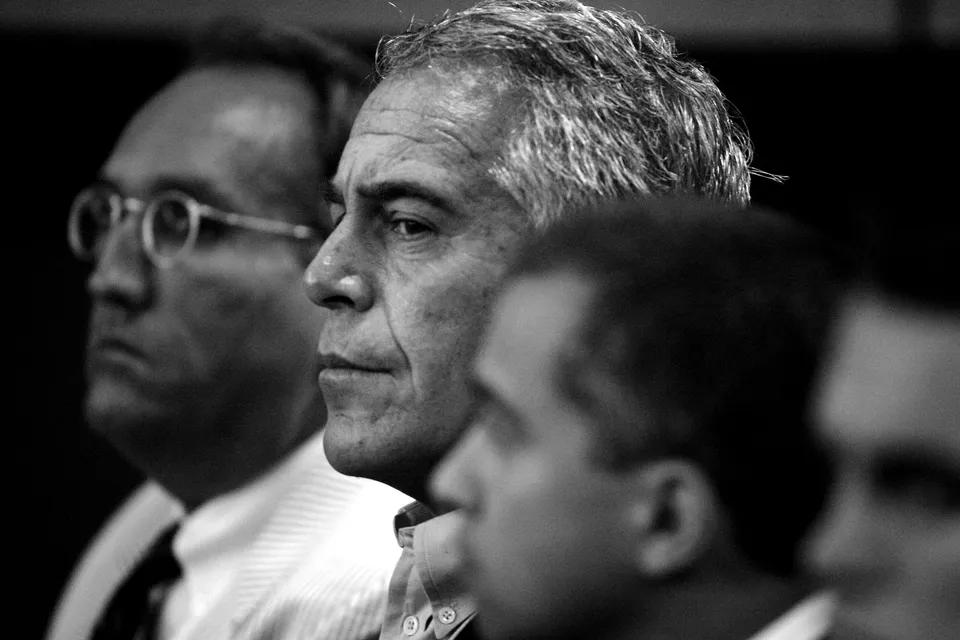
Recently released emails from U.S. House lawmakers shed new light on how Jeffrey Epstein, despite his criminal past, continued to serve as an informal adviser to influential political, financial, and media figures worldwide. The documents reveal a surprising level of access and counsel sought from the disgraced financier.
When Powerful People Needed Counsel, They Turned to Jeffrey Epstein
Newly disclosed congressional documents — more than 20,000 pages of emails — offer an unprecedented look into Jeffrey Epstein’s extensive influence and the advisory role he played for world leaders, senior officials, and high-profile personalities. Despite being a convicted sex offender, Epstein remained a trusted confidant for many powerful individuals seeking guidance on politics, global affairs, finance, and even personal matters.
The emails, reviewed by NBC News, show how Epstein positioned himself as a source of wisdom on issues ranging from the early Trump presidency to sensitive interpersonal advice.
Global Leaders Seeking Insight
Thorbjørn Jagland, former prime minister of Norway and then secretary-general of the Council of Europe, repeatedly turned to Epstein for help understanding U.S. politics under President Donald Trump. In February 2017, Jagland asked to meet Epstein in Strasbourg, expressing a desire to “understand more about Trump and what’s going on in the American society.”
Epstein responded as though he were an expert interpreter of Trump’s behavior, claiming Trump needed only “to be seen to get something.”
In 2013, Mohamed Waheed Hassan, former president of the Maldives, emailed Epstein with concerns about a $4 billion anonymous deposit offered to his government. Epstein immediately dismissed it as fraudulent and warned Hassan to be cautious. Gratitude followed: “You are my savior,” Hassan wrote.
Advising America’s Elite
The emails also expose Epstein’s ongoing communication with notable U.S. figures:
Larry Summers, former U.S. treasury secretary and Harvard president, frequently sought Epstein’s personal insights. In one candid email, he asked Epstein for perspective on a strained interaction with a woman. Epstein’s reply carried his trademark bluntness: “annoyed shows caring, no whining showed strength.”
Michael Wolff, journalist and bestselling author, exchanged frequent messages with Epstein. Wolff even warned Epstein that CNN might ask Trump about their relationship during a 2015 Republican primary debate. When Epstein asked what Trump should say, Wolff suggested letting Trump “hang himself.”
In another exchange, Wolff casually requested a medical referral: “Who is your colonoscopy man?” Epstein obliged.
The Mystery That Endures
Epstein’s death by suicide in 2019 ended ongoing investigations into sex trafficking charges, but these new emails reignite questions about why powerful figures continued seeking his counsel long after his 2008 conviction.
The messages depict Epstein as someone who thrived on his perceived intellectual authority, using casual, typo-filled emails to maintain ties with leaders in politics, finance, and media. Whether his advice was heeded remains unclear, but the gratitude seen in several replies suggests he was taken seriously.
His continued influence — even after public disgrace — underscores the lingering power of his social network and raises broader concerns about accountability among global elites.