Sri Lanka
 USA
USA Canada
 India
India UK
UK UAE
UAE




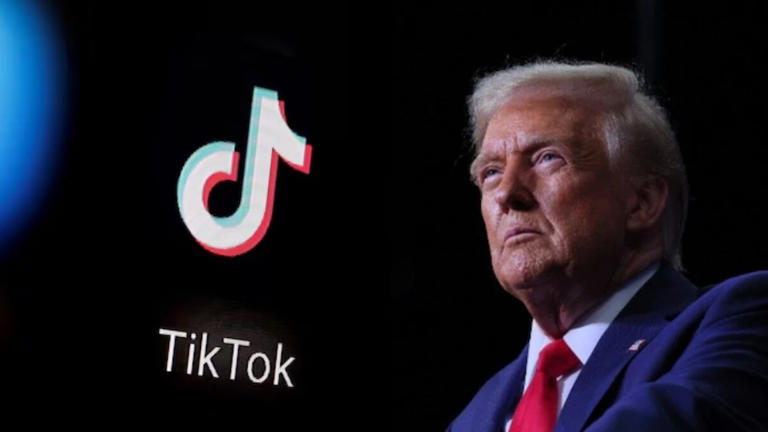
China has officially approved the long-debated transfer deal for TikTok, signaling progress in the app’s transition to US ownership after months of uncertainty, US Treasury Secretary Scott Bessent confirmed Thursday.
US Treasury Secretary Scott Bessent announced that China has approved the TikTok transfer agreement, marking a major breakthrough in negotiations between Washington and Beijing over the popular video-sharing app’s future.
“In Kuala Lumpur, we finalized the TikTok agreement in terms of getting Chinese approval,” Bessent told Fox Business Network’s Mornings with Maria, following President Donald Trump’s recent meeting with Chinese President Xi Jinping. “I would expect that would go forward in the coming weeks and months, and we’ll finally see a resolution to that.”
Bessent offered no further details, but his remarks indicate that both nations are now aligned on facilitating TikTok’s transfer to US and global investors.
Earlier on Thursday, China’s Commerce Ministry confirmed the move, stating it will “properly handle TikTok-related issues” and continue to cooperate with the United States.
The approval follows President Trump’s executive order on September 25, which cleared the sale of TikTok’s US operations to a group of American and international investors. The order, based on the 2024 national security law, granted 120 days to finalize the deal and postponed enforcement until January 20, 2026.
According to the proposed structure, ByteDance, TikTok’s Chinese parent company, would retain less than a 20% stake, while Americans will hold six of the seven board seats in the new TikTok US entity. The app’s algorithm — a key concern in security debates — will be retrained, monitored, and operated under US oversight.
President Trump hailed the deal as “a win for free markets and American innovation,” emphasizing its role in safeguarding US data privacy. However, lawmakers continue to scrutinize the algorithm licensing terms, warning against potential “backdoor control” by ByteDance.
TikTok, which boasts around 170 million users in the US, has yet to comment on the latest development.