Sri Lanka
 USA
USA Canada
 India
India UK
UK UAE
UAE




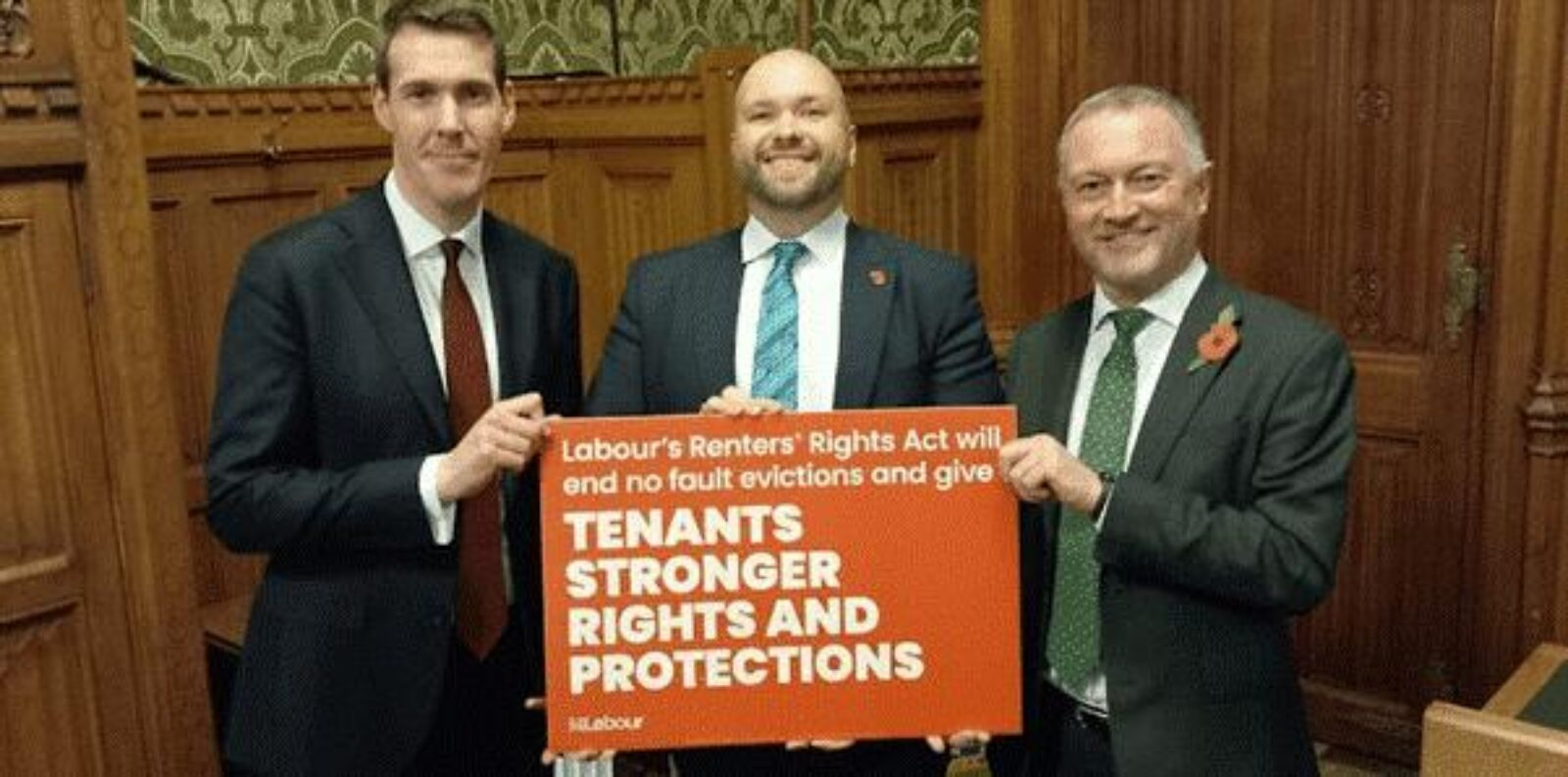
England’s 11 million private renters have received the biggest boost to their housing rights in a generation as the Renters’ Rights Bill officially became law last evening, following Royal Assent at 7:40 p.m.
The Renters’ Rights Act delivers on the government’s Plan for Change, fulfilling a key manifesto promise to rebalance the relationship between 2.3 million landlords and 11 million tenants. The landmark legislation abolishes Section 21 “no-fault” evictions, which have long forced thousands into homelessness and insecurity.
Under the new law, renters will now have the right to end tenancies with two months’ notice while landlords retain fair repossession grounds to protect legitimate business interests. The changes mark a decisive shift toward greater housing stability, fairness, and accountability.
“Every family deserves the dignity of a safe and secure home” — PM Keir Starmer
Prime Minister Keir Starmer hailed the Act as a transformative moment:
“For too long, millions of renters have lived at the mercy of rogue landlords or insecure contracts. We’re putting an end to that. A secure home isn’t just bricks and mortar – it’s the foundation for opportunity, safety, and a better life.”
Secretary of State Steve Reed called it “the biggest leap forward in renters’ rights in a generation”, saying the law will “level the playing field” and “tear down the walls of injustice in the private rented sector.”
Key Reforms Under the Renters’ Rights Act
Abolition of Section 21 “no-fault” evictions – protecting tenants from unfair removals.
Creation of a Private Rented Sector Ombudsman – providing quick, fair, and binding resolutions for tenant complaints.
Introduction of a national landlord database – ensuring transparency and compliance.
Stronger tenant protections against rent manipulation, discrimination, and unsafe living conditions.
Right to keep pets – landlords must provide valid reasons for refusal.
Ban on rental bidding wars – landlords cannot accept offers above the advertised rent.
Extension of the Decent Homes Standard and Awaab’s Law to the private sector for the first time.
The Act also makes it illegal for landlords or agents to discriminate against tenants with children or those receiving benefits, strengthening equality in the housing market.
Industry and Advocacy Reactions
Housing campaigners hailed the law as “historic”.
Tom Darling, Director of the Renters’ Reform Coalition, said:
“After a decade of campaigning, Section 21 will finally be consigned to the dustbin of history. Renters can now challenge poor conditions without fear.”
Ben Twomey, CEO of Generation Rent, added:
“This is a landmark day. For decades, renters lived in fear of eviction — today, that fear ends.”
Landlord groups also welcomed the clarity. Ben Beadle of the National Residential Landlords Association (NRLA) said the new framework must now be implemented “fairly and proportionately for both sides.”
Homelessness charity St Mungo’s described the Act as a “watershed moment”, noting it will “help prevent people from being pushed to the brink by spiralling rents and poor housing conditions.”
Looking Ahead
Ministers are expected to announce the rollout plan in the coming weeks. With this Act, the government aims to make renting in England safer, fairer, and more secure for millions — a pivotal change not seen in nearly four decades.