Sri Lanka
 USA
USA Canada
 India
India UK
UK UAE
UAE




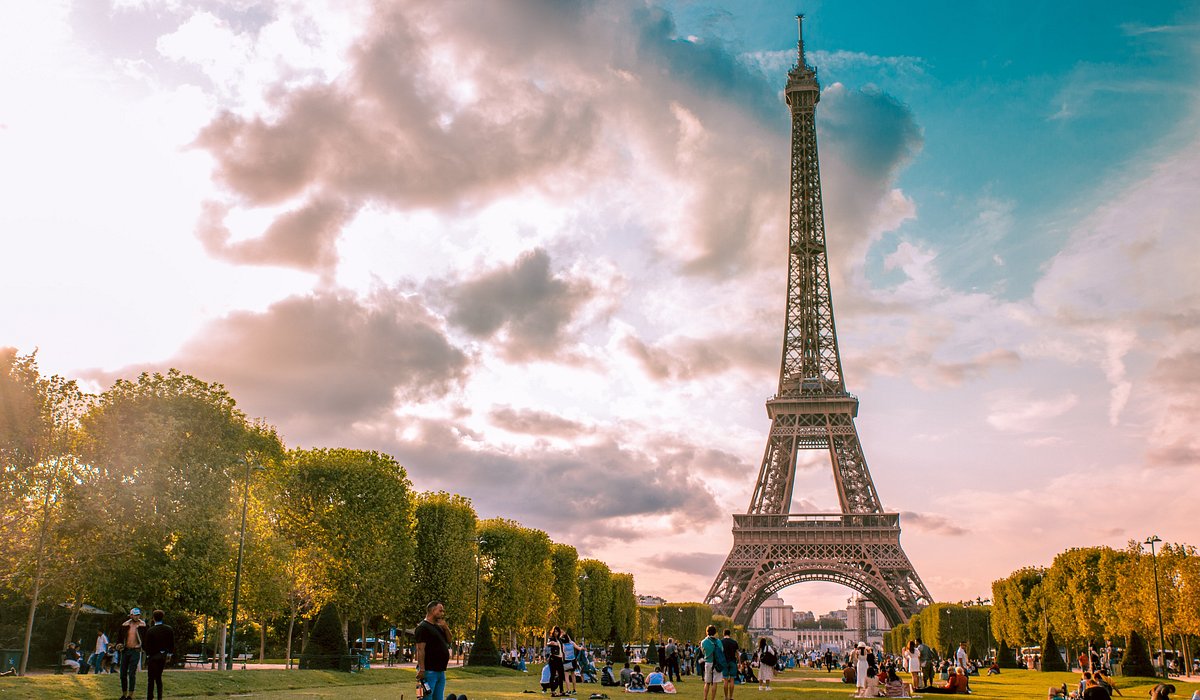
The Eiffel Tower was forced to close its doors on Wednesday as massive nationwide strikes erupted across France, drawing around 85,000 protesters to the streets in opposition to government spending cuts.
The tower’s management confirmed the closure on its official website, stating that visitors who had purchased e-tickets were notified via email with details on next steps. No reopening date has been announced as of Tuesday evening.
The protests come amid tense negotiations between President Emmanuel Macron and his newly appointed Prime Minister Sebastien Lecornu over the 2025 budget. Union leaders are demanding increased public spending, a rollback of the controversial pension age hike, and higher taxes on the wealthy.
The unrest follows the ousting of former Prime Minister Francois Bayrou, who lost parliament’s support over a proposed €44 billion budget squeeze. Lecornu has since promised a shift in approach, though demonstrations continue to mount pressure on the government.
According to French authorities, demonstrations took place across 240 cities and towns, with 76,000 police officers deployed nationwide. While the Paris Metro largely operated as normal, regional train services experienced disruptions, local outlet Le Monde reported.
The U.S. Embassy in France had previously issued a travel alert in September, warning American visitors of mass protests with potential transport disruptions and “the possibility of violent clashes.” Travelers were advised to avoid demonstration areas.
With the Eiffel Tower—Paris’s most visited landmark—shut down, tourists are facing uncertainty as the strikes show no signs of abating.