Sri Lanka
 USA
USA Canada
 India
India UK
UK UAE
UAE




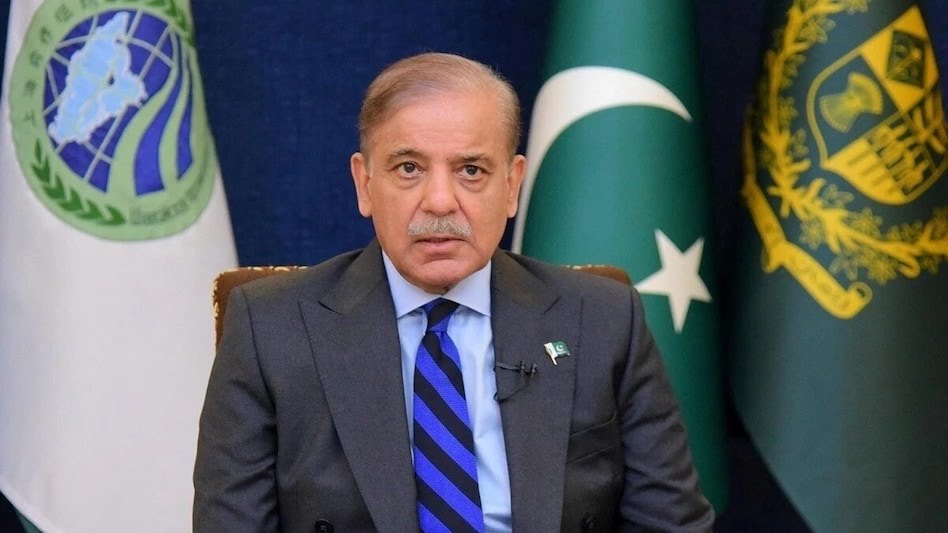
Pakistan’s privileged duty-free access to European Union markets under the Generalised Scheme of Preferences Plus (GSP+) is at risk after a new white paper accused Islamabad of “serious and systemic” violations of the scheme’s conditions.
The joint report, published by the EU Today Research Desk and the European Facilitation Platform, urges the European Commission to begin suspension proceedings, warning that failure to act could undermine the credibility of the EU’s trade policy.
Since 2014, Pakistan has reaped major benefits from GSP+, which requires countries to ratify and enforce 27 international conventions on human rights, labour rights, environmental protection, and good governance. In 2023 alone, 88% of eligible Pakistani exports entered the EU duty-free, worth €6.2 billion — making Pakistan the scheme’s largest beneficiary.
However, the white paper highlights major shortcomings, citing evidence from European Commission and European Parliament documents. Alleged violations include:
Misuse of blasphemy laws, enforced disappearances, torture, and persecution of minorities
Widespread child and bonded labour, weak labour rights enforcement, and suppression of trade unions
Failures in pollution control, deforestation, and climate adaptation
Governance concerns, including judicial interference and limits on democratic freedoms
Despite repeated warnings — including a 2021 European Parliament resolution calling for a review — the EU extended Pakistan’s GSP+ access until 2027. But in June 2025, the bloc took its first enforcement step, suspending duty-free ethanol imports from Pakistan.
The report argues that Pakistan’s persistent non-compliance now meets the legal threshold for suspension. “Such a step is necessary to uphold the credibility of the GSP+ instrument and reinforce the EU’s conditionality-based trade policy,” it concludes.