Sri Lanka
 USA
USA Canada
 India
India UK
UK UAE
UAE




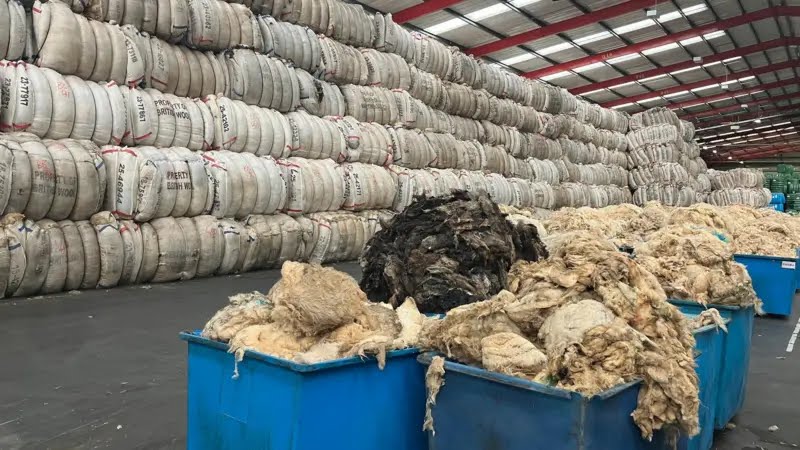
Once the fabric of choice for millions, wool has been struggling to compete against synthetic fibres. But British farmers and fashion experts believe the natural fibre still has a strong future – if given the right support.
British Wool, the UK’s national body for sheep farmers, is marking its 75th anniversary. Based in Bradford – once known as Worstedopolis for its booming textile trade – the organisation has handled more than 2.5 billion kilos of wool since 1950.
Yet, the value of wool has plummeted. Fleeces that once sold for £14 per kilo in the 1950s now fetch just £1 per kilo, leaving many farmers unable to cover the cost of shearing.
Andrew Hogley, CEO of British Wool, says government support could help turn things around, citing New Zealand’s policy requiring local wool in public buildings. “If we could specify British wool carpets for our public sector, that would make a significant difference,” he said.
Fashion designer Patrick Grant, best known from The Great British Sewing Bee, argues that wool’s eco-friendly credentials give it an edge over synthetic fabrics. Unlike polyester and acrylic, which shed harmful microplastics, wool is natural, biodegradable, and sustainable.
“With synthetic clothes, it’s either landfill or incineration. A wool jumper will completely biodegrade,” Grant explained.
Advocates hope growing awareness of sustainability, along with support for local farmers, will help wool reclaim its place in wardrobes and homes.