Sri Lanka
 USA
USA Canada
 India
India UK
UK UAE
UAE




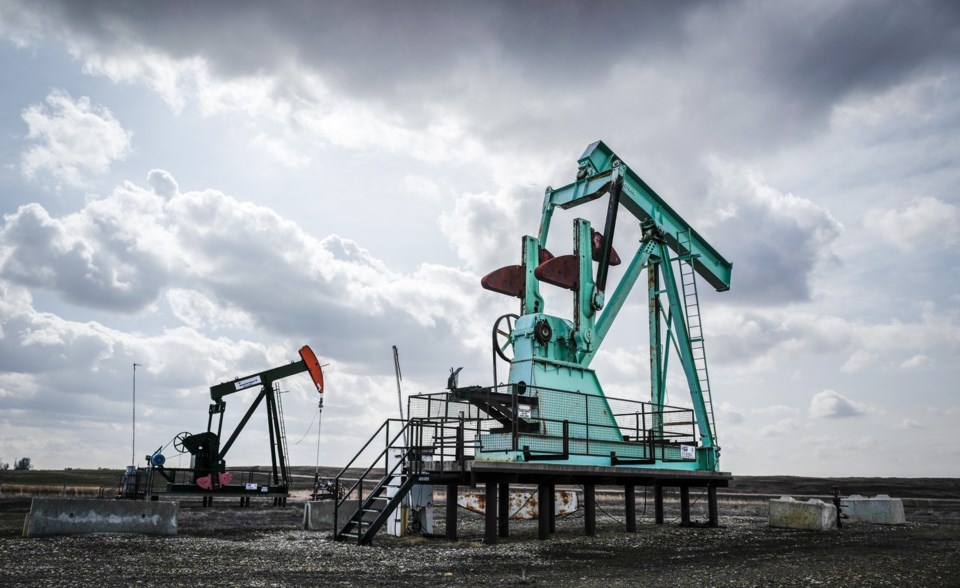
A new international report warns that Canada and other major fossil fuel-producing nations are putting global climate goals at risk, with planned 2030 production levels expected to be more than double what’s compatible with the Paris Agreement.
The Production Gap Report, released by three climate research organizations, finds that governments worldwide are continuing to expand fossil fuel production despite pledges for a clean energy transition.
“The continued collective failure of governments to curb fossil fuel production and lower global emissions means that future production will need to decline more steeply to compensate,” the report stated.
🌍 The Production Gap
Global production plans: 120% above the pathway for limiting warming to 1.5°C, and 77% above the pathway for 2°C.
Coal: 2030 production expected to be 500% above the 1.5°C pathway, and 330% above the 2°C limit.
Oil & gas: Projected production 31% and 92% higher, respectively, than consistent with 1.5°C goals.
The 2015 Paris Agreement set the 1.5°C and 2°C guardrails to avoid catastrophic climate impacts like extreme heat, sea level rise, and coastal flooding. Yet, scientists warn the 1.5°C threshold may soon be breached.
🇨🇦 Canada’s Role
Canada is the fourth-largest oil producer, responsible for 6.5% of global output. The report ranks Canada’s planned oil production growth by 2030 behind only Saudi Arabia, Brazil, the U.S., and Nigeria.
Nichole Dusyk, senior policy adviser at the International Institute for Sustainable Development, said Canada’s contribution is likely underestimated since the report relied on 2023 forecasts, before Ottawa approved several new liquefied natural gas projects.
Meanwhile, Prime Minister Mark Carney’s government has repealed the consumer carbon price, paused the EV sales mandate, and has been vague on 2030 and 2035 climate targets—though it remains committed to net-zero by 2050.
Canada was also criticized for spending billions on the Trans Mountain pipeline while provinces like Alberta froze its industrial carbon price and Saskatchewan extended coal plant lifespans.
“We are continuing to fuel climate change,” Dusyk said. “Canadians experience that as heat waves, floods, droughts, and wildfires. It affects quality of life, homes, and the economy.”
⚡ Glimmers of Hope
The report also noted rapid progress in clean energy, with solar, batteries, and electric vehicles breaking deployment records and costs of renewable power now lower than fossil fuels in much of the world.