Sri Lanka
 USA
USA Canada
 India
India UK
UK UAE
UAE




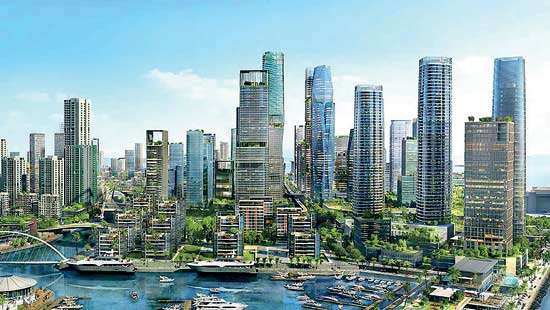
Sri Lanka has introduced sweeping changes to its investment framework for the Colombo Port City Special Economic Zone (SEZ), slashing generous tax holidays and raising investment thresholds to align with the country’s IMF-backed fiscal consolidation goals.
The new rules — “Colombo Port City (Guidelines on the Grant of Exemptions or Incentives to Businesses of Strategic Importance) Regulations, No. 1 of 2025” — were gazetted on September 20, 2025, by President Anura Kumara Dissanayake in his capacity as Finance Minister. The regulations will remain in force for five years, replacing the more liberal incentive scheme that expired in August.
Primary Businesses Face Tighter Rules
Under the revised framework, companies designated as Primary Businesses of Strategic Importance (BSIs) must meet higher capital and employment criteria. Four categories have been introduced:
Category A: US$ 100 million investment + 300 jobs → 10-year tax holiday
Category B: US$ 500 million investment + 300 jobs → 12-year tax holiday
Category C: US$ 1 billion investment + 300 jobs → 15-year tax holiday
Category D (Marina & Social Infrastructure): US$ 25 million investment + 100 jobs → 8-year tax holiday
Crucially, these tax holidays begin only after the project’s implementation phase, which typically lasts four to eight years. This represents a sharp departure from the earlier 25-year corporate income tax holiday, followed by an additional 10 years at concessionary rates. Exemptions from VAT are also no longer included.
Secondary Businesses Hit Hard
Secondary BSIs face the steepest cuts. Instead of enjoying 25-year tax holidays, they will now only receive a 7.5% concessionary corporate tax rate for four years after operations begin. Once this period ends, they revert to standard tax rules.
Legal experts note that the Colombo Port City Economic Commission has now been granted wide discretion in designating Secondary BSIs, but their tax benefits have been significantly curtailed.
Balancing Growth with Fiscal Reality
While the new framework continues to offer exemptions from laws such as the Customs Ordinance and the Ports and Airports Development Levy during project implementation, it is clear the government is prioritising revenue.
According to legal analyst Dushyantha Perera, the new structure reflects the IMF programme’s emphasis on reducing excessive tax exemptions. He also noted that authorities are considering the removal of the personal income tax exemption for Port City companies.
The move underscores the government’s intention to attract high-impact, large-scale investments while ensuring the landmark Port City project contributes more meaningfully to the national treasury.