Sri Lanka
 USA
USA Canada
 India
India UK
UK UAE
UAE




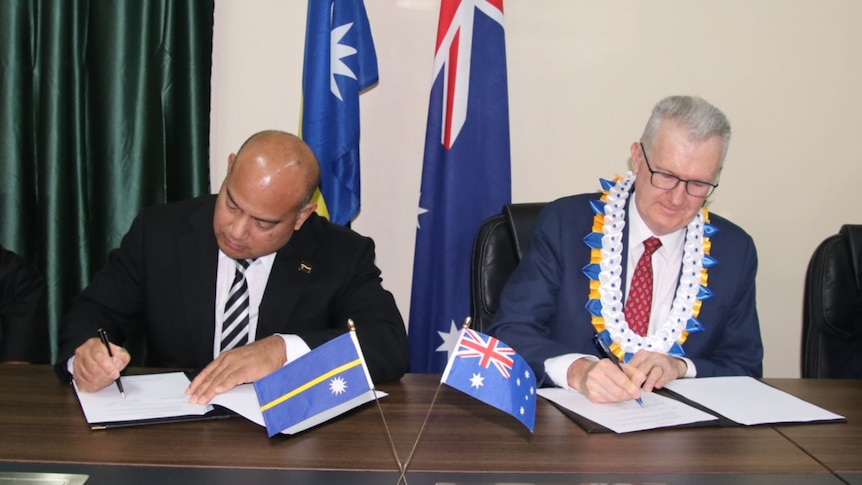
Australia’s government is under growing scrutiny over a controversial new agreement with Nauru, which will see hundreds of non-citizens deported to the tiny Pacific nation.
Prime Minister Anthony Albanese has defended the arrangement, describing it as “hardly secret.” However, the deal — signed on August 29 and only acknowledged publicly days later — has been criticised for its lack of transparency. Reports suggest the policy could cost taxpayers up to $2.5 billion.
The move coincides with new legislation passed in Parliament that aims to accelerate deportations by removing avenues for appeal and stripping natural justice from deportation decisions. Critics say this will disproportionately affect vulnerable groups, including former immigration detainees.
Journalist Denham Sadler has raised concerns that deporting individuals to Nauru could place Australia in breach of its international legal obligations, particularly around human rights protections for asylum seekers and refugees.
The debate underscores Australia’s long-standing reliance on offshore processing, a policy that has drawn repeated condemnation from rights groups and international observers. As the details of the Nauru deal continue to emerge, questions remain over its cost, legality, and human impact.