Sri Lanka
 USA
USA Canada
 India
India UK
UK UAE
UAE




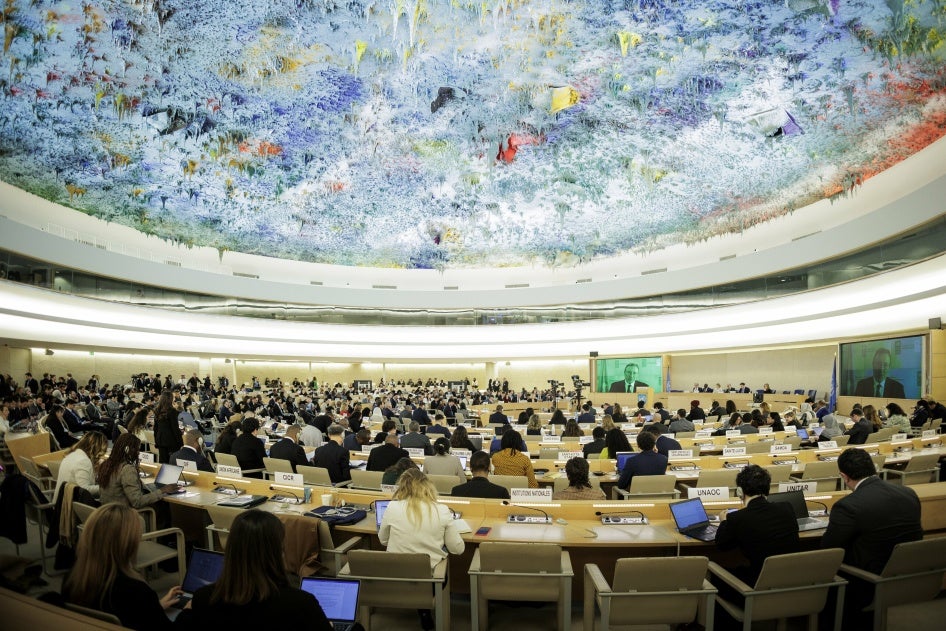
Sri Lanka is preparing to take a conciliatory stance at the upcoming United Nations Human Rights Council (UNHRC) session in Geneva, scheduled to begin on September 8, 2025. Unlike previous years, the National People’s Power (NPP) government has pledged to engage constructively with the international community while addressing human rights concerns through a domestic reconciliation mechanism with international assistance.
The core group of countries, led by the United Kingdom and joined by Canada, Malawi, Montenegro, and North Macedonia, is expected to present a new resolution on Sri Lanka. They have already urged Colombo to prioritise comprehensive reconciliation and accountability processes that meet international standards and reflect the voices of affected communities.
???? High-Level Engagement with UN Officials
UN High Commissioner for Human Rights Volker Türk visited Sri Lanka from June 23–26, 2025, marking the first such visit since 2016. During meetings with President Anura Kumara Dissanayake and Prime Minister Harini Amarasuriya, Türk urged the government to:
Consider international legal avenues for accountability.
Create an environment conducive to transitional justice, including by acceding to the Rome Statute of the International Criminal Court.
Release military-held lands, halt new seizures, and speed up land titling in the north and east.
Release long-term PTA detainees, and ensure impartiality of the Office on Missing Persons with international monitoring.
⚖️ Sri Lanka’s New Commitments
According to sources, the Foreign Ministry is preparing for the UNHRC session with Minister Vijitha Herath representing Sri Lanka. While the government will not co-sponsor the resolution, it plans to:
Introduce a counterterrorism law to replace the Prevention of Terrorism Act (PTA).
Release lands currently under military control back to civilians.
Take steps towards truth-seeking, reconciliation, and justice.
A senior ministry official stressed that Sri Lanka will no longer adopt a hostile approach but instead seek “engagement rather than confrontation.”