Sri Lanka
 USA
USA Canada
 India
India UK
UK UAE
UAE




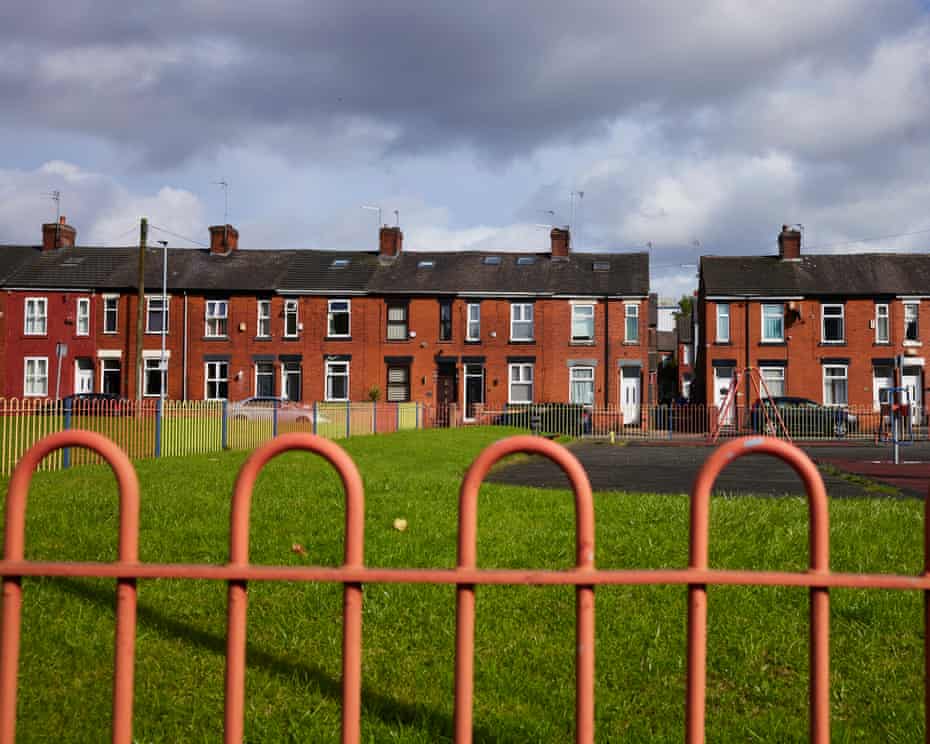
Councils across England are spending millions of pounds in one-off incentive payments to private landlords to house homeless families — a practice critics call a “senseless waste of public money.”
According to new data released by Generation Rent, 37 councils spent more than £31 million on cash incentives in 2024–25, covering 10,792 payments to landlords. The data, obtained via Freedom of Information requests, highlights how local authorities are under pressure amid rising rents, frozen Local Housing Allowance (LHA) rates, and a growing homelessness crisis.
???? In London, spending on landlord incentives has risen 54% since 2018, with payments sometimes exceeding £10,000 per property. Southwark Council made the largest single payment at £15,385.
The councils spending the most included:
Manchester City Council – £3.3m
Enfield Council (London) – £2.7m
Ealing Council (London) – £2.3m
Birmingham City Council – £1.7m
All four are facing severe budget pressures. Manchester has reported an £18m budget gap, while Birmingham declared itself effectively bankrupt in 2023.
⚠️ Campaigners warn the system is open to abuse, with landlords able to play councils off against each other or threaten eviction to secure further payments.
Generation Rent chief executive Ben Twomey said councils were being forced into a corner:
“They’re paying landlords tens of thousands of pounds just to agree to rent out their homes. It’s a senseless waste of public money.”
Meanwhile, the National Residential Landlords Association argued the payments reflect the “enormous shortfall” between welfare benefits and market rents, calling them the “least bad option” for councils desperate to avoid costly hotel and B&B placements.
London Councils described the situation as a “homelessness emergency,” while Birmingham and Ealing defended the practice as a pragmatic solution to help struggling families access housing.
Campaigners are urging the government to unfreeze LHA rates and introduce rent controls, warning that without reform, taxpayers will continue footing spiraling bills while thousands of families remain in precarious housing situations.