Sri Lanka
 USA
USA Canada
 India
India UK
UK UAE
UAE




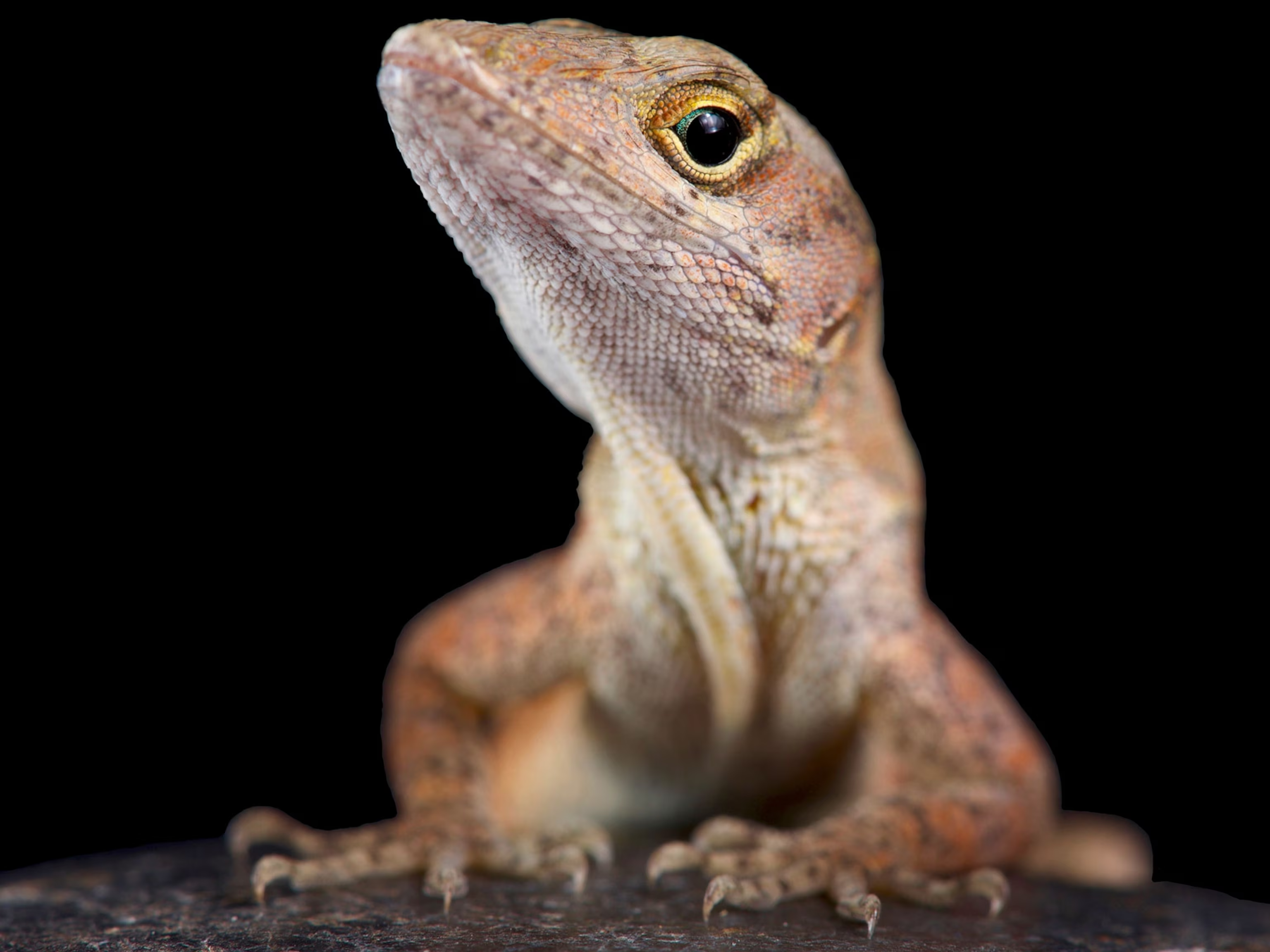
In New Orleans, small brown lizards called anoles are doing something amazing — they are living with more lead in their blood than any other animal ever recorded. Scientists say the amount of lead inside these lizards would kill humans and most animals, but the lizards seem completely fine.
Warning Signs for People
Lead in the city comes from many places — old paint peeling off houses, soil that is contaminated after storms, and even pollution from industries near the Mississippi River. These lizards pick up lead when they crawl on walls, touch the soil, or eat small insects. Because they live so close to people, the lizards act like “warning signals.” If they have a lot of lead inside them, it means the environment is also risky for humans.
How Much Can They Handle?
In a lab test, scientists gave lizards different amounts of lead to see how much they could survive. At very high doses, some became sick and stopped eating. But at lower daily doses, they stayed active and healthy. One lizard had a record-breaking 10,600 micrograms of lead per deciliter of blood — a number that would be deadly to humans.
Secret Survival Power
Researchers also looked at the lizards’ DNA. They found that the lizards with high lead levels had certain genes “switched on.” These genes help their bodies carry oxygen better and protect them from the damage lead normally causes. This could explain why they survive while other animals cannot.
Why This Matters
The discovery is important not just for wildlife but also for humans. If scientists can understand how lizards protect themselves from lead, it may help in finding new ways to deal with heavy metal poisoning in people. For now, these little reptiles are proof of how surprisingly tough nature can be — even in the most polluted places.
Source : www.dailynews.lk