Sri Lanka
 USA
USA Canada
 India
India UK
UK UAE
UAE




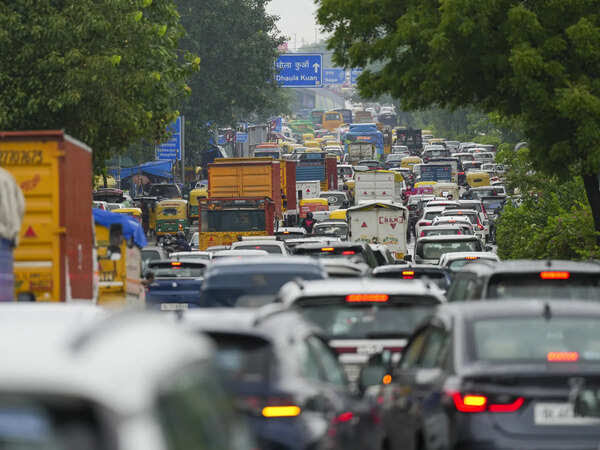
From today, UK motorists face tougher driving rules and penalties, with new regulations covering parking, speeding, mobile phone use, seatbelts, and drink-driving limits. The changes aim to improve road safety, cut down on dangerous driving, and make penalties more consistent across the country.
Pavement Parking Ban
Falkirk Council has officially begun enforcing a ban on pavement parking, making it illegal to park on footpaths unless the road is listed under specific exemptions. The move, based on legislation first introduced in 2019 and reinforced in 2023, is intended to keep pavements clear for pedestrians, parents with prams, and those with mobility issues.
Tougher Penalties for Common Offences
Speeding fines: Now linked to income through a banded system. For example, a driver earning around £37,000 annually could face fines starting at £100, depending on the speed violation.
Mobile phone use while driving: Offenders risk fines of up to £500 and six penalty points, reflecting the growing dangers of distracted driving.
Seatbelt violations: Both drivers and adult passengers can now be penalised with points and fines, bringing rules in line with Northern Ireland and EU standards.
Uninsured driving: Fines have risen from £300 to £400, with unlimited fines and possible disqualification for repeat offenders. Authorities are also cracking down on illegal “ghost plates.”
Lower Drink-Driving Limit
England and Wales have reduced the legal alcohol limit from 35 to 22 micrograms per 100ml of breath, aligning with Scotland and much of the EU. Authorities emphasise that even small amounts of alcohol can impair judgment and reaction times.
Exemptions to Pavement Parking
Certain streets in Falkirk and surrounding areas are exempt, including Netherby Road (Airth), Hareburn Avenue (Avonbridge), Bridgeness Lane (Bo’ness), Skene Street (Bonnybridge), Gorrie Street (Denny), and Russel Street (Falkirk), among others. Drivers must check local signage before parking to avoid fines.
Enforcement and Safety
Routine patrols will monitor compliance. Councils stress that pavement parking creates hazards for pedestrians, emergency services, and other road users. Motorists are urged to plan parking responsibly and use alternative locations where necessary.