Sri Lanka
 USA
USA Canada
 India
India UK
UK UAE
UAE




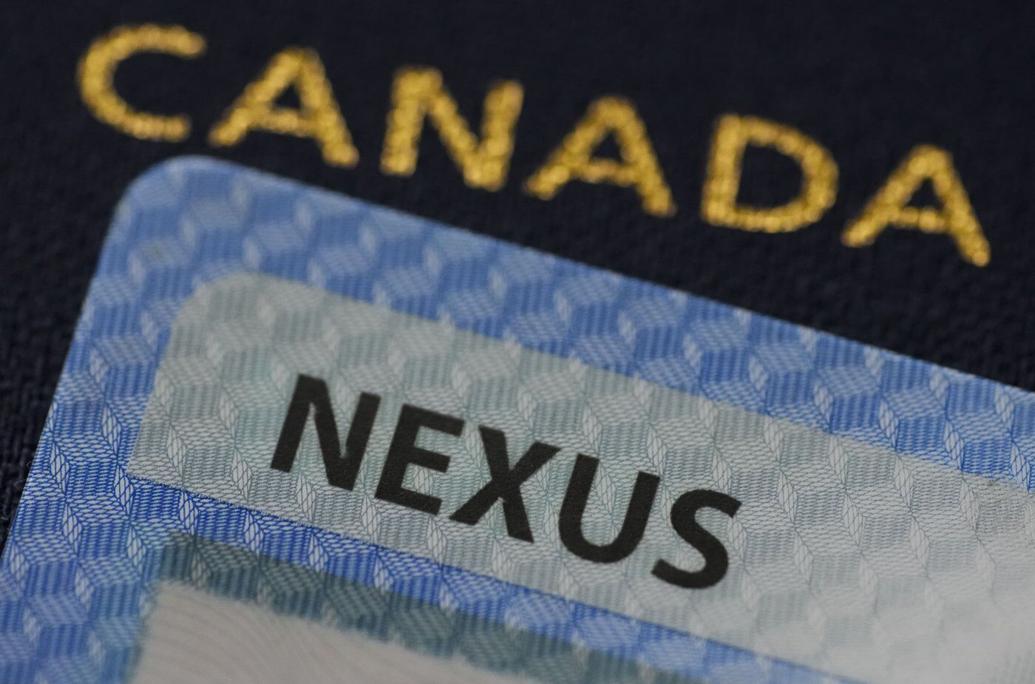
Canadians applying for or renewing their Nexus travel cards can no longer choose the non-binary “X” gender marker, due to a U.S. policy change under former President Donald Trump’s administration. The change quietly came into effect in February 2025.
The Nexus program, jointly managed by Canada and the U.S., allows for expedited border crossings. However, the application system is operated by U.S. Customs and Border Protection (CBP), which now only accepts “male” or “female” gender designations.
Applicants may still use a Canadian passport with an “X” gender identifier, but must select either “male” or “female” when filling out their Nexus application, according to Canada Border Services Agency (CBSA) spokesperson Luke Reimer.
Existing Nexus cards with the “X” designation will remain valid until they expire. Nexus memberships last for five years.
While Canada officially recognizes the “X” gender marker on passports and supports inclusive documentation, the CBSA emphasized that it cannot guarantee entry or recognition in other countries. Reimer noted that legal and cultural differences abroad mean that non-binary or gender-diverse individuals may encounter challenges when traveling internationally.
From 2022—when Canada first allowed the “X” marker on Nexus applications—until March 2025, around 550 Canadians applied using the non-binary designation.
Advocacy and Legal Concerns
The policy has drawn strong criticism from LGBTQ2+ advocates. Helen Kennedy, Executive Director of Egale Canada, called the move “a step backward” that forces non-binary and trans individuals to misidentify themselves for the sake of travel.
“This is more than a policy shift—it’s an erasure of identity,” Kennedy said, urging Canadian authorities to press for a more inclusive approach with U.S. counterparts.
Sarah Mikhail, an immigration lawyer, echoed these concerns, describing the policy as “distressing and troubling.” She warned that mismatches between a passport’s gender marker and the Nexus application could result in heightened scrutiny and invasive questioning at the border.
“The border is already a stressful space for many people. This only adds another layer of anxiety for trans and non-binary travelers,” Mikhail said.
Simon Lafortune, spokesperson for the Office of the Minister of Public Safety, acknowledged the frustration caused by the U.S.-driven change, but reiterated that the application system falls under U.S. jurisdiction. He stressed that Canada has no plans to alter its own inclusive passport policy.
“We remain committed to providing identity documents that reflect the diversity and dignity of all Canadians,” Lafortune said, adding that the government is monitoring the situation but has not received notice of any legal challenges.
The Government of Canada’s travel safety website also warns that travelers with an “X” marker may face issues entering countries that do not recognize non-binary gender identities.