Sri Lanka
 USA
USA Canada
 India
India UK
UK UAE
UAE




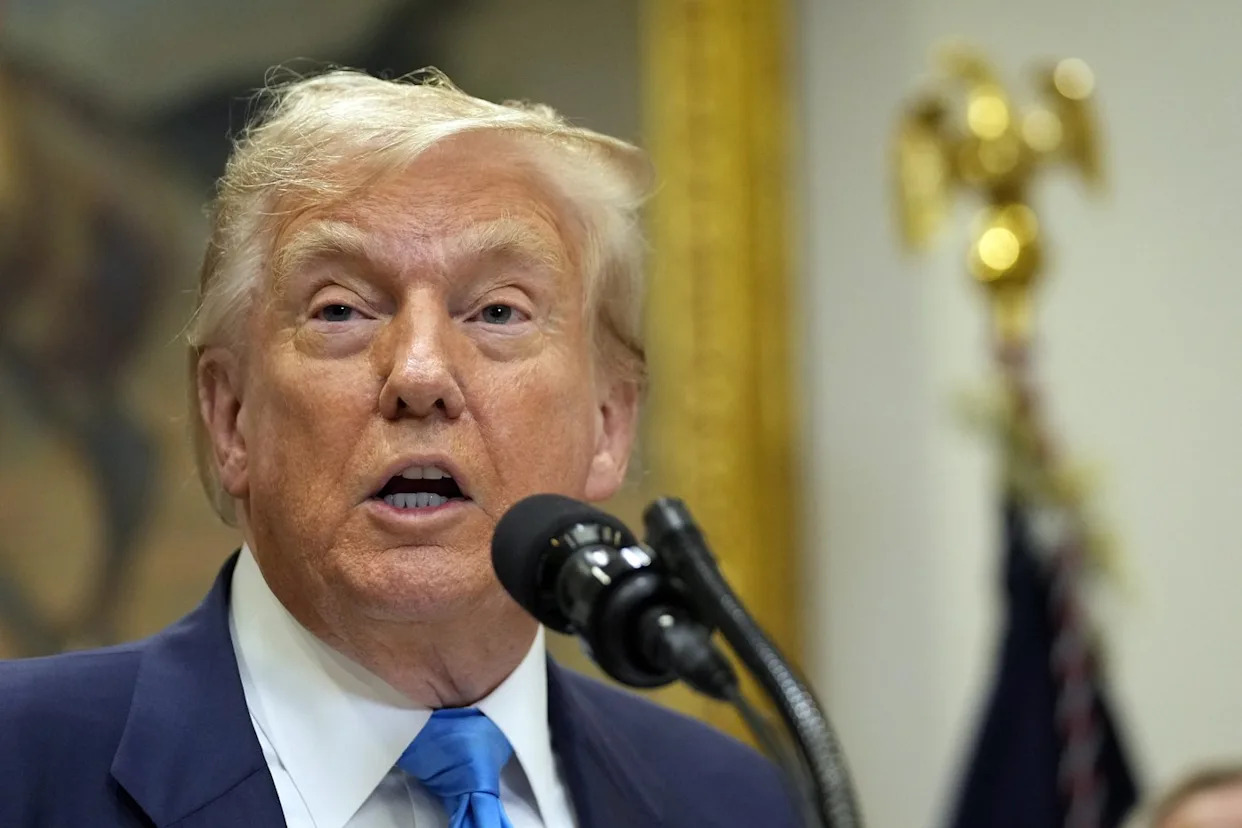
Canada is now facing a steep 35% tariff on exports to the United States following an executive order signed by U.S. President Donald Trump on Thursday night. The move comes after repeated warnings from Trump that Ottawa would face increased duties if it failed to reach a favorable trade agreement.
The White House confirmed on Friday that the new tariffs would not apply to goods compliant with the Canada-U.S.-Mexico Agreement (CUSMA). However, several key industries — including lumber, steel, aluminum, and automobiles — are expected to take a major hit.
In a fact sheet explaining the decision, the White House accused Canada of “failing to cooperate in curbing the ongoing flood of fentanyl” into the United States. It also cited Canada’s retaliatory trade measures as a contributing factor.
Canada’s government responded swiftly, with a statement from Finance Minister Carney issued shortly after midnight. Carney expressed strong disappointment with the U.S. move, arguing that Canada contributes to only 1% of fentanyl imports into the U.S. and is actively working to lower that figure even further.
Carney acknowledged the economic blow to several Canadian sectors but assured the public that the government is actively seeking ways to minimize the damage and protect domestic jobs.
This latest escalation in trade tensions adds strain to the already complex economic relationship between the two neighbors.