Sri Lanka
 USA
USA Canada
 India
India UK
UK UAE
UAE




Twenty years after the devastating 7/7 bombings that killed 52 people and injured over 700 in London, many in the British Muslim community say the social and emotional wounds are far from healed.
The attacks, carried out by four British-born suicide bombers on July 7, 2005, not only shocked the nation but also marked a turning point for Muslims in the UK, ushering in a new era of scrutiny, suspicion, and state surveillance.
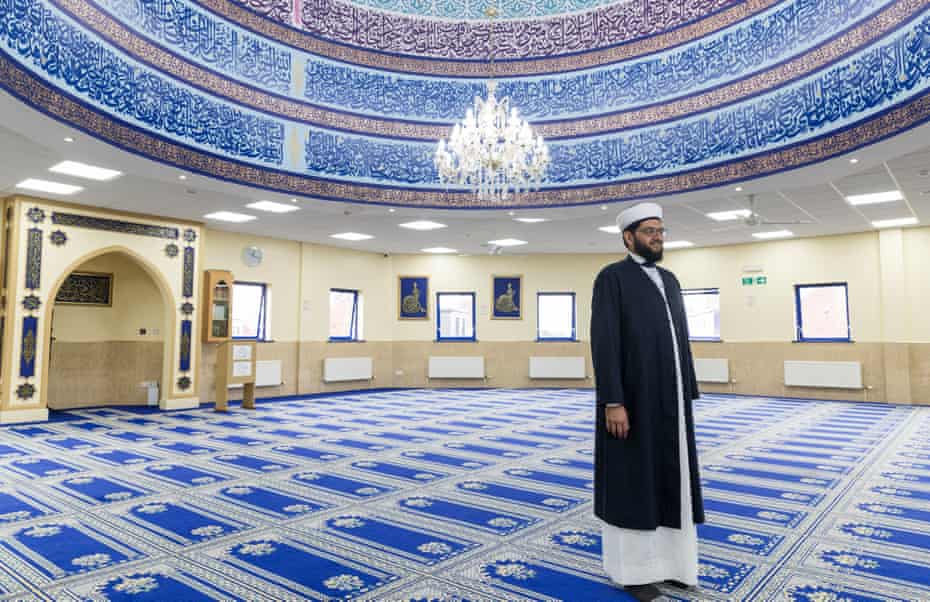
According to Qari Asim, an imam who was living in Leeds—home to three of the bombers—the impact on the Muslim community was deeply personal. “The emotional and social toll of 7/7 on Muslim communities was profound and is felt by many to this day,” he said.
While the country mourned, British Muslims faced an additional burden: feelings of collective guilt, growing hostility, and the pressure to justify their place in society. In the days after the attacks, police recorded 180 racist incidents, including 58 faith-related hate crimes, and mosques were set on fire.
A Guardian poll at the time revealed that two-thirds of Muslims considered leaving the UK.
Asim recalled having to stop carrying a rucksack while commuting due to the fear it incited in others. “Islamophobia has consistently increased in the last 20 years,” he noted, attributing it not only to extremism but also to policies and rhetoric that have marginalized entire communities.
Following the bombings, then Prime Minister Tony Blair introduced a sweeping counter-terrorism policy including 12 new security measures. These policies, while intended to boost public safety, have long been criticized for alienating British Muslims, leading to over-policing, disproportionate stop-and-search practices, and a rise in faith-based discrimination.
Tragedies like the fatal police shooting of Jean Charles de Menezes, who was mistaken for a suspect, and the shooting of another man in an East London counter-terrorism raid, further inflamed tensions.
Milo Comerford, policy director at the Institute for Strategic Dialogue, said the government’s fixation on counter-terrorism when engaging with communities caused long-term harm. “What we’re actually doing is demonising whole swathes of our society,” he warned.
Shaista Gohir, chief executive of Muslim Women’s Network UK, expressed alarm at the direction the UK has taken. “Racism was always present,” said Gohir, “but I’ve never been as worried as I am now.”
She added that Islamophobia is no longer confined to the fringes: “It’s actually mainstream anti-Muslim hate. Twenty years on, I thought we would be in a better place. But things have worsened.”