Sri Lanka
 USA
USA Canada
 India
India UK
UK UAE
UAE




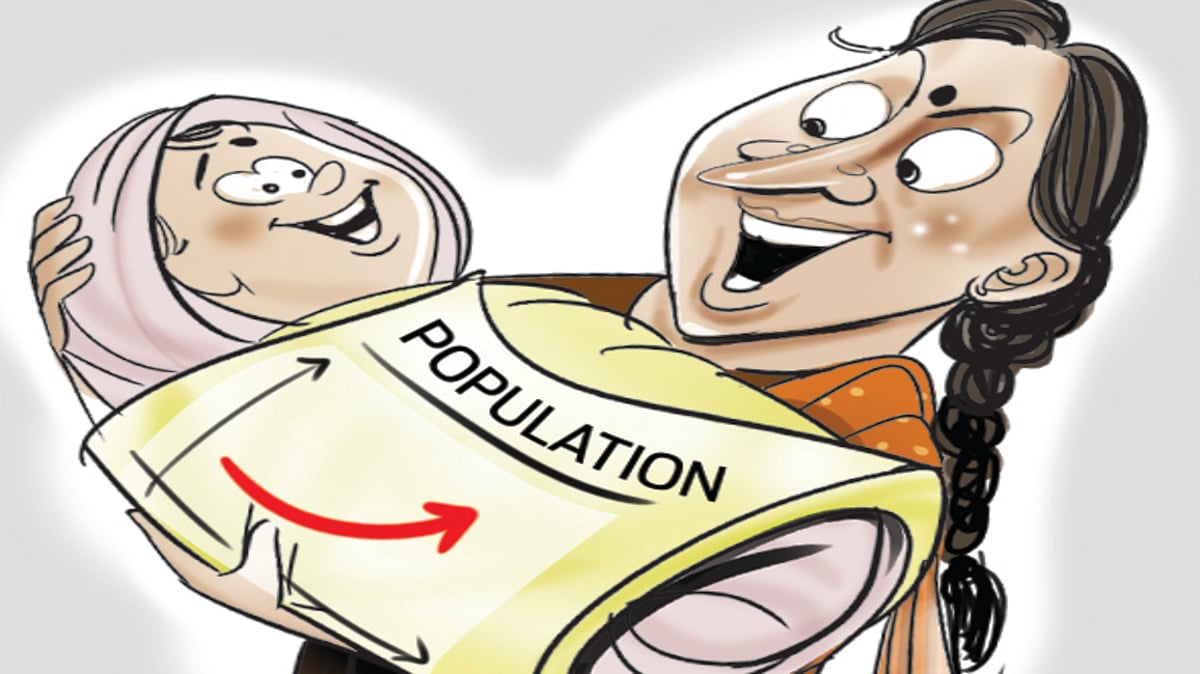
India’s population is projected to reach 1.46 billion in 2025, maintaining its position as the most populous country in the world. However, the latest UNFPA State of World Population 2025 report reveals a significant demographic shift: India’s fertility rate has fallen to 1.9, below the replacement level of 2.1.
This means Indian women are, on average, having fewer children than needed to sustain population levels without migration—marking a critical phase in India’s demographic transition.
The report titled “The Real Fertility Crisis” stresses that the issue is not falling fertility, but the inability of many to realize their reproductive goals. Millions still lack the autonomy to decide freely about family planning, childbearing, and contraception.
???? Key highlights:
Youth remains strong: 24% of the population is aged 0–14, while 68% is of working age (15–64), offering a potential demographic dividend.
Life expectancy: 71 years for men and 74 for women.
Elderly population (65+): Currently 7%, expected to rise.
Fertility trend: From nearly 6 children per woman in 1960 to just 2 today.
The report also reflects progress in education, healthcare access, and women’s empowerment, but notes deep disparities across states, castes, and income levels.
UNFPA India Representative Andrea M. Wojnar remarked that the real demographic dividend will come when all individuals, regardless of background, have the freedom and resources to make informed reproductive choices.