Sri Lanka
 USA
USA Canada
 India
India UK
UK UAE
UAE




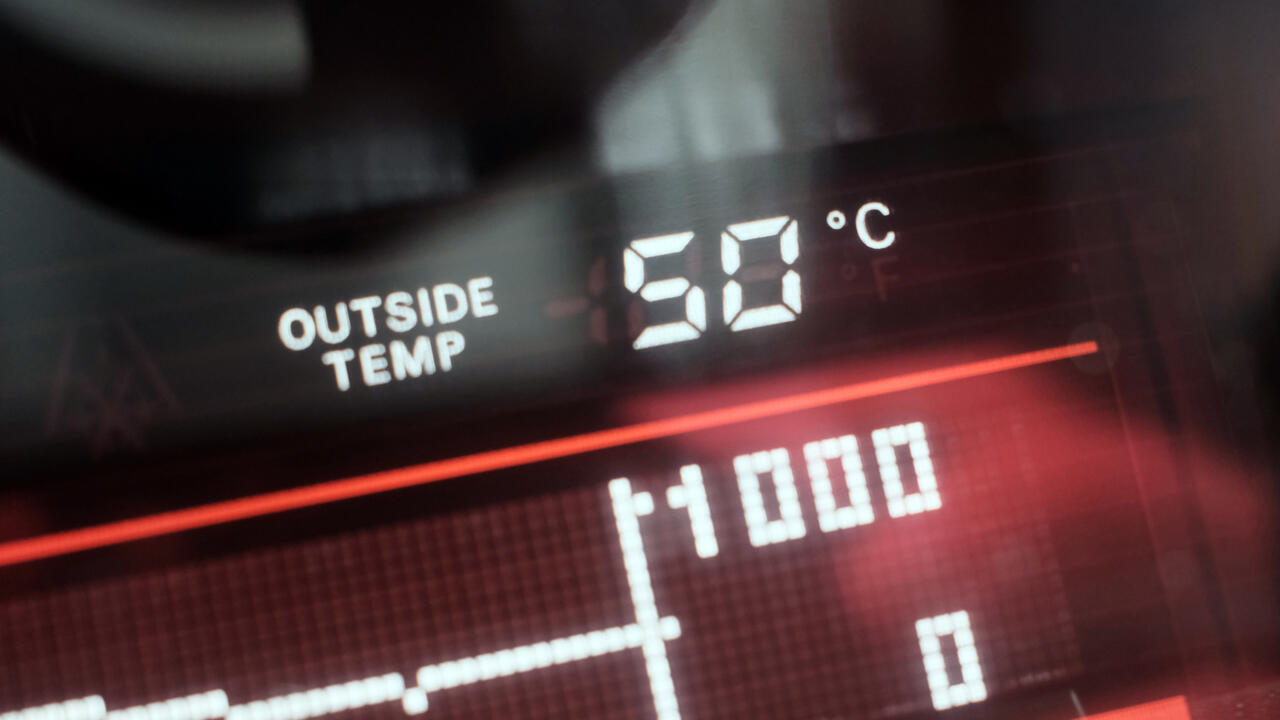
The United Arab Emirates experienced an unprecedented heatwave on Friday, reaching a staggering 50.4 degrees Celsius — the highest temperature ever recorded for May since records began in 2003. This historic figure, reported by the National Center of Meteorology, broke the previous record of 50.2°C set in 2009.
The blistering heat was felt across the nation, with Abu Dhabi residents reporting sweltering conditions accompanied by humidity levels of up to 80%. Even worshippers attending Friday prayers described feeling faint and unsteady. “The heat was unbearable today,” said a 26-year-old resident, who described being drenched in sweat and close to fainting while praying outdoors.
The UAE, one of the world’s largest oil exporters and host of the COP28 climate conference in 2023, continues to face the devastating impacts of climate change. April had already set record-breaking temperatures, with average daily highs reaching 42.6°C.
Outdoor workers were particularly affected. Mohammed Juma, a Dubai-based marketing specialist, described seeing someone collapse on the street. “God help people, truly,” he said. Youssef, a hot air balloon operator in Dubai, said, “The suffocating conditions made it impossible to work. The humidity was overwhelming, the air felt like it had no oxygen.”
According to the International Labour Organization, over 83% of outdoor workers in the Arab world suffer from excessive heat exposure on the job, highlighting the grave health risks posed by rising temperatures.
Scientists warn that heatwaves like this are becoming more frequent, intense, and longer due to global warming. The Middle East, including the UAE, is heating nearly twice as fast as the global average. Greenpeace has warned that this region faces an increasing threat of water and food scarcity, exacerbated by climate change.
Last year, over 1,300 pilgrims perished in neighbouring Saudi Arabia during the annual Hajj pilgrimage due to extreme heat, a stark reminder of the human toll of rising temperatures.