Sri Lanka
 USA
USA Canada
 India
India UK
UK UAE
UAE




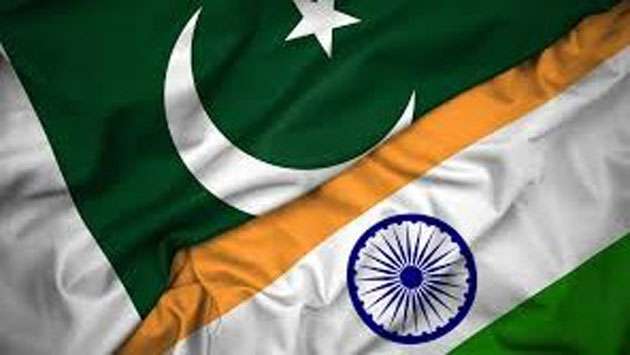
As tensions escalate between India and Pakistan following recent military strikes and mutual accusations, Sri Lanka has heightened its vigilance over possible implications for its citizens and economy. While maintaining its long-standing neutral foreign policy stance, the Sri Lankan government has yet to issue an official position. However, the Foreign Ministry has advised Sri Lankans residing in India and Pakistan—particularly the 1,000 students in India and 500 in Pakistan—to stay in close contact with the respective embassies.
Concerns are growing over the potential fallout if conflict escalates into a full-scale war. Sri Lanka imports essential commodities such as potatoes from Pakistan and sugar and onions from India. Disruptions to shipping routes and rising insurance premiums could result in higher import costs, contributing to an increase in the cost of living.
Tensions have already affected diplomatic dynamics, as President Anura Kumara Dissanayake condemned the recent massacre in India’s Pahalgam and expressed solidarity with Indian Prime Minister Narendra Modi. Pakistan criticized the move for lacking balance, particularly in light of its own recent terrorist-related incident in Balochistan.
Demonstrations in Sri Lanka against Pakistan following the Pahalgam attack raised concerns about possible retaliatory protests. As a precaution, the Defence Ministry has increased security at both the Indian and Pakistani High Commissions in Colombo.
Amid mounting regional instability, Sri Lanka faces the difficult task of balancing its neutrality with diplomatic realities and economic vulnerabilities.