Sri Lanka
 USA
USA Canada
 India
India UK
UK UAE
UAE




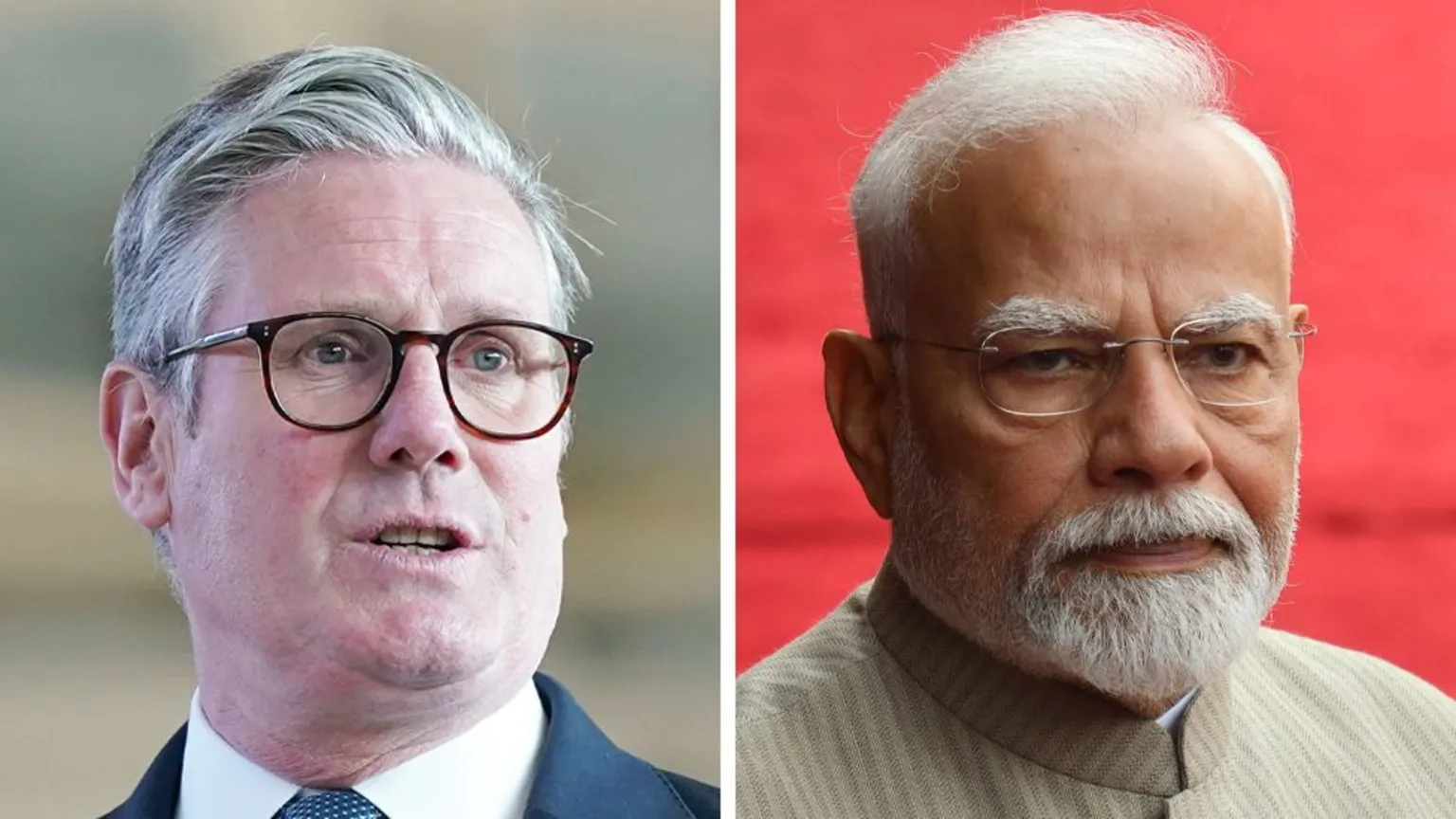
After years of negotiation, the UK and India have finalized a landmark trade agreement aimed at boosting exports, cutting tariffs, and strengthening economic ties between the two major economies.
The deal—hailed by both Prime Minister Sir Keir Starmer and Indian Prime Minister Narendra Modi—opens the door for UK exports like whisky, gin, luxury cars, and medical devices to enter India at significantly lower tariffs. In return, Indian exports such as clothing, jewellery, and seafood will face fewer barriers in the UK.
The UK government says the deal could add £25.5 billion to bilateral trade annually by 2040, calling it the most significant trade pact since Brexit.
The agreement also introduces a rare social security exemption for temporary workers and includes new access for UK firms in India’s procurement and services markets.
While the ruling Labour Party calls it a milestone for British business, critics have raised concerns over tax fairness and transparency, demanding parliamentary oversight.
India, poised to become the world’s third-largest economy, is now set to become an even more important trading partner for post-Brexit Britain.