Sri Lanka
 USA
USA Canada
 India
India UK
UK UAE
UAE




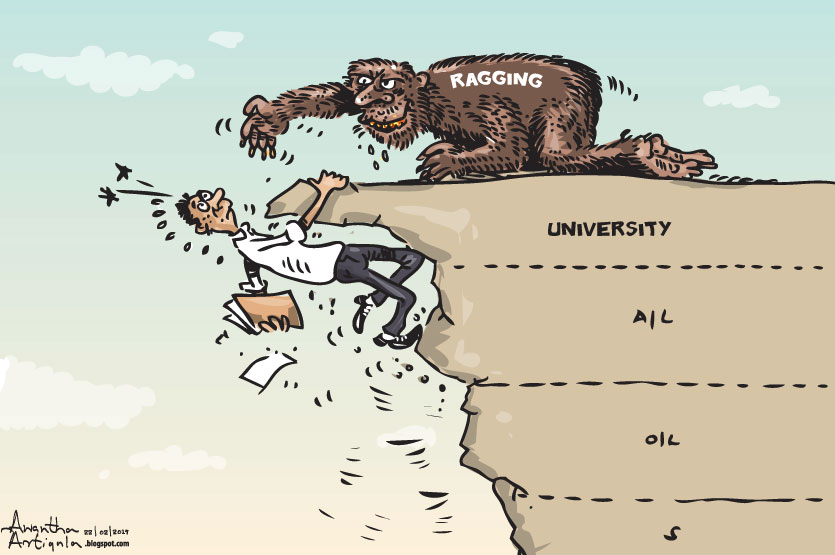
COLOMBO, SRI LANKA — The tragic suicide of a second-year student from Sabaragamuwa University, allegedly linked to ragging, has reignited national concern over the ineffective enforcement of Sri Lanka’s anti-ragging laws.
While ragging — once regarded as a way for seniors and juniors to bond — has long devolved into a form of psychological, physical, and even sexual abuse, the Prohibition of Ragging and Other Forms of Violence in Educational Institutions Act remains underutilized and poorly enforced.
“Ragging is a criminal offence punishable with jail time and compensation,” said officials, noting that violations involving grievous hurt or sexual harassment carry up to ten years of rigorous imprisonment.
Despite these laws, reports of mental trauma, hospitalizations, and even student deaths continue to surface. In the latest incident, the victim was not even a first-year student — he was in his second-year second semester, raising concerns that ragging may now extend beyond freshmen.
Lack of Awareness a Key Barrier
Education Ministry Secretary Nalaka Kaluwewa admitted that while some institutions have contained ragging, the latest incident signals a need to re-evaluate enforcement and raise legal awareness.
“We are deeply concerned that second-year students are now being targeted. The law is in place, but its reach and impact must be improved,” Kaluwewa stated.
At Rajarata University, Vice Chancellor Dr. P.H.G. Janaka Pushpakumara said ragging has been eradicated from medical faculties but remains in other departments, underscoring the inconsistency in policy enforcement across Sri Lankan universities.
Experts and student rights groups are now calling for:
Wider legal education campaigns in universities
Stricter reporting mechanisms
Immediate disciplinary action for offenders
Unless drastic changes are made, they warn, Sri Lanka risks more avoidable tragedies.