Sri Lanka
 USA
USA Canada
 India
India UK
UK UAE
UAE




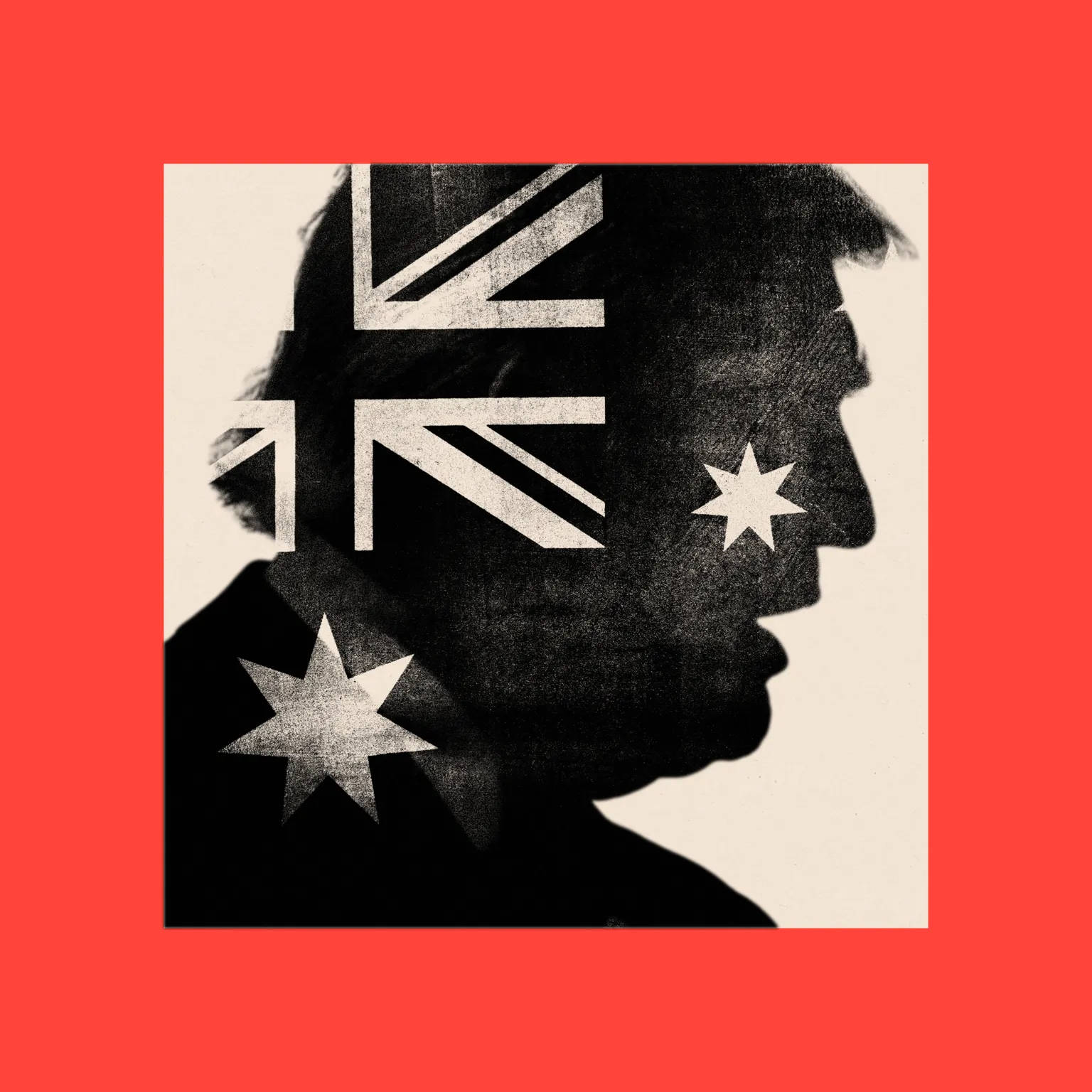
As Australia heads to the polls on May 3, global turbulence — particularly from Donald Trump’s resurgence — is reshaping what was expected to be a domestic-focused campaign. From trade tensions to alliance anxieties, the US president is casting a long shadow over Australian politics.
Rodeos and Rising Tensions
In Western Sydney, a rodeo crowd drinks beer and watches bull rides beneath flags flying Canada, the US, and Australia — a symbolic snapshot of a country wrestling with its place in a shifting world order.
For some Australians, Trump’s return is appealing. “Tariffs are great,” says one rodeo-goer. Others, like Jared Harris, are more cautious: “It’s like a show. I just sit back and watch.” But even the most disengaged admit the international chaos is hard to ignore.
Trump’s Second Term Feels Different
While Australians weathered Trump’s first presidency with minimal disruption, his second term is triggering deeper concerns. The imposition of tariffs on allies, including Australia, and his dismissive tone on issues like AUKUS have alarmed both policymakers and the public.
Prime Minister Anthony Albanese called the tariff decision “not the act of a friend.” Meanwhile, the opposition’s Peter Dutton, who once claimed personal alignment with Trump, is walking back comments to avoid alienating voters uneasy with Trump’s volatility.
Polls reflect this unease:
A Sydney Morning Herald survey found 60% of Australians view Trump’s return as negative.
A Lowy Institute poll showed almost two-thirds of Australians don’t trust the US to act responsibly under his leadership.
Election Dynamics Shift
The Trump factor has become inescapable. Domestic issues like housing, healthcare, and the cost of living are still central — but candidates are now forced to answer difficult questions about Australia’s strategic future and how to handle a volatile ally.
Labor, under Albanese, has gained momentum — up in polls after months of trailing — with the final YouGov model projecting 84 seats in the 150-member House of Representatives, enough for a strengthened majority.
Experts, including Professor Gordon Flake of the Perth USAsia Centre, see parallels with Canada’s recent election, where the incumbent gained support amid Trump-driven anxieties.
Australia’s Strategic Dilemma
Despite Trump’s indifference, Australia cannot afford to ignore the US. The US-Australia alliance, essential in countering China’s regional rise, is one of Canberra’s most important partnerships.
David Andrews of the National Security College notes, “We’re isolated. Our security depends on strong alliances — even when those allies are unpredictable.”
Policy analysts like Justin Bassi suggest Australia should hold firm but still support US efforts to counter authoritarian adversaries. “Not to keep Trump happy,” he says, “but because it’s in our strategic interest.”
Conclusion: A Nation at a Crossroads
As campaign season ends, Australians are being forced to confront uncomfortable truths: navigating a multipolar world, managing alliances under strain, and electing a leader who can steer the country through global uncertainty.
Back at the rodeo, cowboys are thrown from broncos. It’s a fitting metaphor — the next prime minister will need grit and balance to stay in the saddle.