Sri Lanka
 USA
USA Canada
 India
India UK
UK UAE
UAE




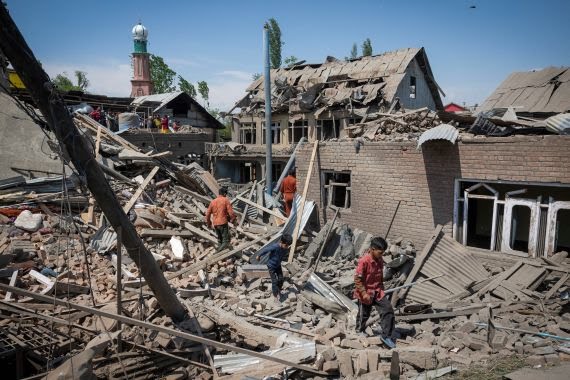
Tensions in Kashmir have escalated following last week’s deadly attack in Pahalgam, with Indian forces demolishing several homes in retaliatory operations.
Indian Prime Minister Narendra Modi vowed the attackers would face “the harshest response,” as security forces intensified crackdowns across the region. However, criticism is growing internally. Srinagar MP Ruhullah Mehdi warned that Kashmiris are facing “collective punishment,” while former Chief Minister Mehbooba Mufti urged authorities to clearly distinguish between militants and innocent civilians.
International concerns are also mounting. Pakistani Defence Minister Khawaja Asif said that Russia and China could join an independent investigation into the attack, echoing Pakistani Prime Minister Shehbaz Sharif’s call for a neutral probe. India continues to blame Pakistan for supporting cross-border “terrorism,” an accusation Islamabad firmly denies.
In response to the attack — the deadliest targeting civilians in two decades — India has scaled down diplomatic ties with Pakistan and suspended its role in the crucial Indus Waters Treaty.
Experts note that the attack has challenged the Indian government’s claims of restoring stability in Kashmir. Since 2019, New Delhi’s move to revoke Kashmir’s limited autonomy and impose direct rule has deepened local resentment, fueling further instability in the region.