Sri Lanka
 USA
USA Canada
 India
India UK
UK UAE
UAE




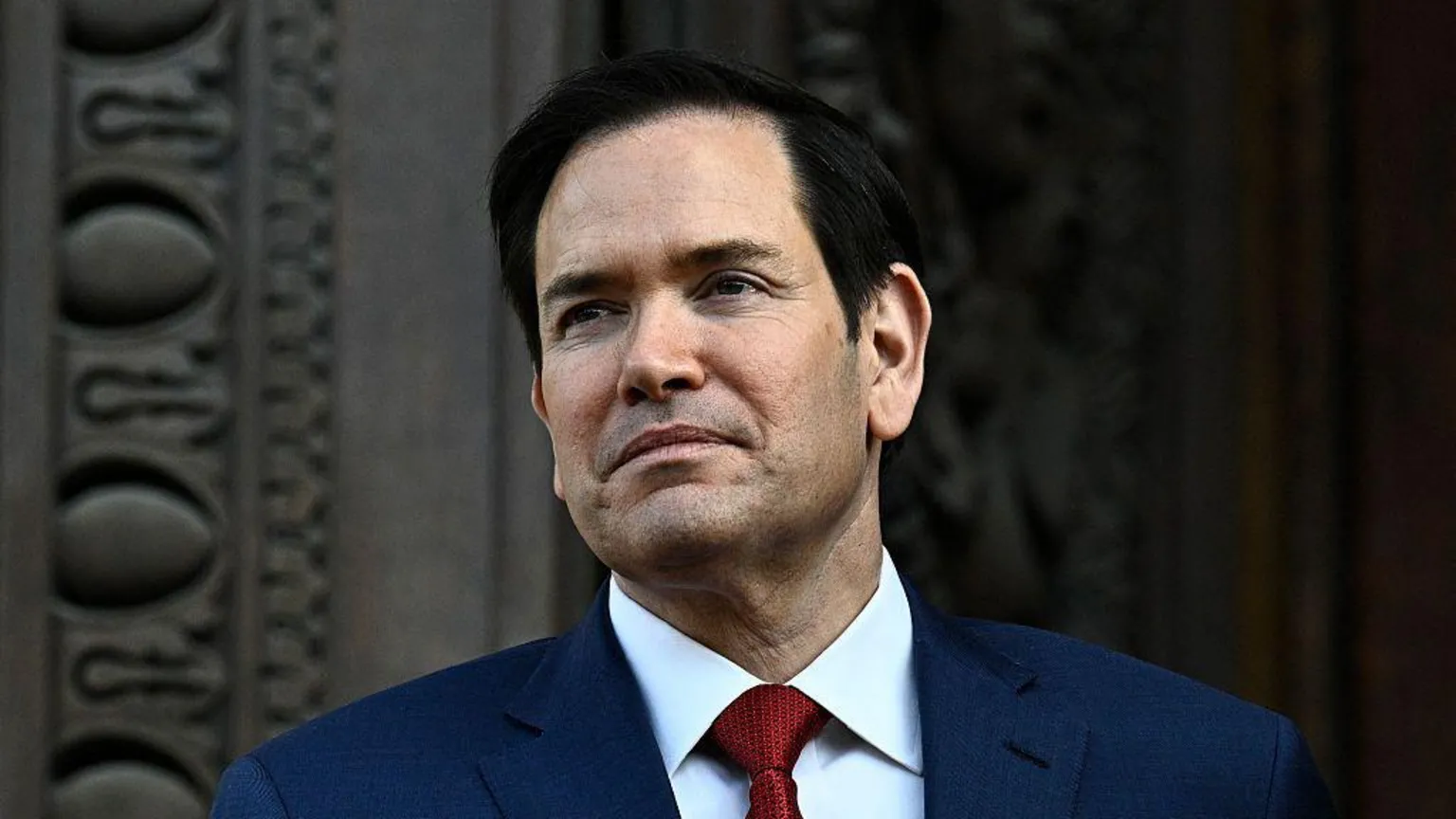
In a sweeping proposal, the Trump administration has announced a significant restructuring of the U.S. State Department, aiming to eliminate over 700 jobs and shut down nearly 130 domestic offices. The controversial move includes plans to dissolve the Office of Global Criminal Justice, which has been central to shaping U.S. responses to war crimes and genocide.
Secretary of State Marco Rubio explained that the overhaul seeks to remove departments that are “misaligned with America’s core national interests.” He argued that the department’s size and spending have expanded uncontrollably over the past 15 years, resulting in inefficiency and bloated bureaucracy.
Rubio stated, “The problem is not lack of money, or even dedicated talent, but rather a system where everything takes too much time, costs too much money, involves too many individuals, and all too often ends up failing the American people.”
Among the targeted offices is the bureau responsible for refugee and migration affairs, which will undergo significant restructuring. While some reports had anticipated broader cuts, the overhaul will not affect U.S. embassies and overseas missions. Some responsibilities of the dissolved offices are expected to be absorbed into remaining departments.
Speculation had linked the proposal to Elon Musk’s Department of Government Efficiency (Doge), an initiative credited with streamlining various federal agencies. However, State Department spokesperson Tammy Bruce clarified, “Doge was not in charge of this, but this is the result of what we’ve learned.”
The restructuring plan mirrors the rhetoric long used by the Trump administration and Musk, who have claimed that progressive-leaning federal workers obstruct conservative reforms. Critics, however, warn that the plan could weaken America’s moral leadership and diminish its global presence.
Democratic Senator Jeanne Shaheen, ranking member of the Senate Foreign Relations Committee, voiced concern over the proposed changes, criticizing the lack of transparency and calling it a “slash and burn” approach to governance.
The overhaul follows Musk’s earlier dismantling of the USAID agency, which saw most of its functions eliminated.
As the plan moves forward, the debate intensifies over whether this restructuring marks a much-needed streamlining of government or an ideological gutting of vital public functions.