Sri Lanka
 USA
USA Canada
 India
India UK
UK UAE
UAE




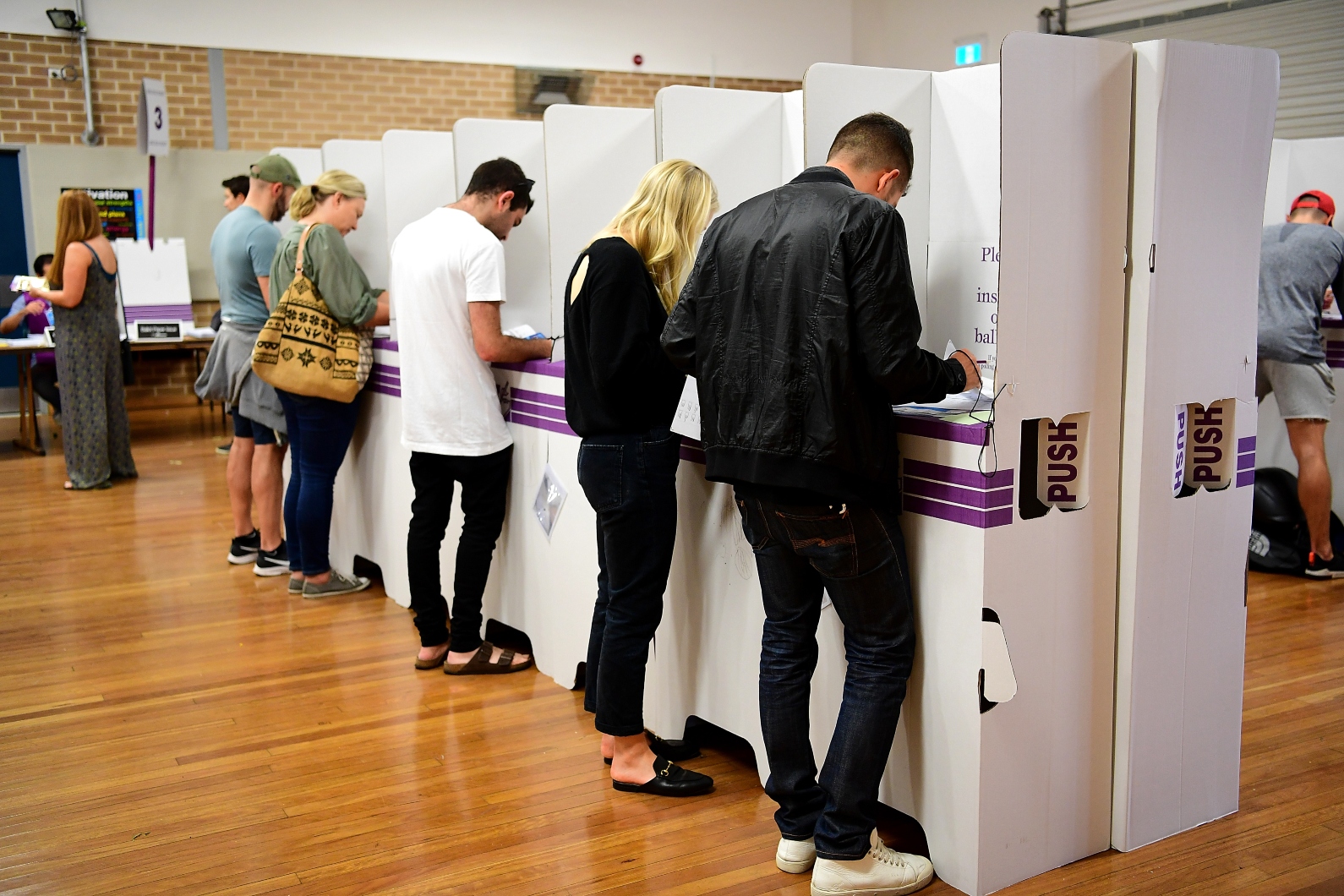
As Australians head to the polls in 2025, all eyes may be on the House of Representatives—but it’s the Senate where real power dynamics could unfold. A tightly balanced upper house means whoever wins government will need to negotiate with an unpredictable mix of allies and opponents.
The outcome of Australia’s 2025 federal election may hinge less on who claims government and more on how the Senate shapes up. Though dramatic shifts between left and right in the upper house are rare, even a single seat changing hands could reshape the legislative landscape.
The 2022 Senate delivered a progressive majority, thanks to historic wins: independent David Pocock unseated a Liberal in the ACT for the first time in nearly 50 years, and Labor secured an unprecedented three seats in Western Australia. This gave Labor and the Greens control of half the chamber, with Pocock often acting as the key swing vote.
Since then, however, the crossbench has grown more fragmented. Tammy Tyrrell, Lidia Thorpe, and Fatima Payman have all split from their parties to become independents, making vote-wrangling increasingly complex—even for progressive legislation.
With proportional representation in each state, Senate outcomes are usually stable, often splitting three seats to the left and three to the right. But rare 4-2 splits can change everything. The Coalition’s 2004 Senate majority remains a standout example.
At this election, the usual pattern—two Labor, two Coalition, one Greens—looks set to continue in most states. But the final seat remains a wildcard. One Nation, Trumpet of Patriots, Legalise Cannabis, and the Jacqui Lambie Network could all make gains depending on local dynamics.
State-by-State Outlook:
NSW: Labor and the Greens are safe, but One Nation could challenge the Coalition’s third seat.
Victoria: Minor right-wing parties and Legalise Cannabis may contest the third right-leaning spot.
Queensland: Labor is likely to regain a second seat, pushing out either Gerard Rennick or Malcolm Roberts.
Western Australia: A repeat of Labor’s 2022 sweep is unlikely, but retaining two seats is expected.
South Australia: The traditional split is likely, though right-wing minors may surprise.
Tasmania: Jacqui Lambie will defend her seat against challenges from the Liberals and One Nation.
ACT: David Pocock is favoured to retain his seat alongside Labor’s Katy Gallagher.
Northern Territory: As always, it’s expected to remain one Labor and one Country Liberal senator.
For Labor, a renewed partnership with Pocock and a couple more crossbenchers could be enough for a workable Senate. But for Peter Dutton and the Coalition, the road is steeper. They’ll need to unite an eclectic mix of minor party senators to gain control—something that may prove politically tricky.
In the end, it’s not just who wins government in 2025 that matters—it’s who can navigate the Senate’s shifting sands.
#AustraliaElection2025 #SenateBalanceOfPower #DavidPocock #JacquiLambie #AustralianPolitics #Greens #OneNation #CoalitionVsLabor