Sri Lanka
 USA
USA Canada
 India
India UK
UK UAE
UAE




As the United States intensifies its pursuit of critical minerals essential to national security and technological advancement, Canada finds itself at the heart of an escalating trade and political debate. With former President Donald Trump reigniting annexation rhetoric and targeting Canada’s rich mineral reserves, questions are rising about how Canada should navigate resource development, sovereignty, and Indigenous rights.
Canada’s wealth of critical minerals is taking center stage amid intensifying U.S. trade tensions and renewed interest from former President Donald Trump, whose rhetoric has turned increasingly aggressive. From suggesting annexation to launching investigations into U.S. critical mineral imports, Trump’s administration has elevated Canada’s role in the global resource economy — and brought political urgency to the development of Canada’s mineral-rich regions.
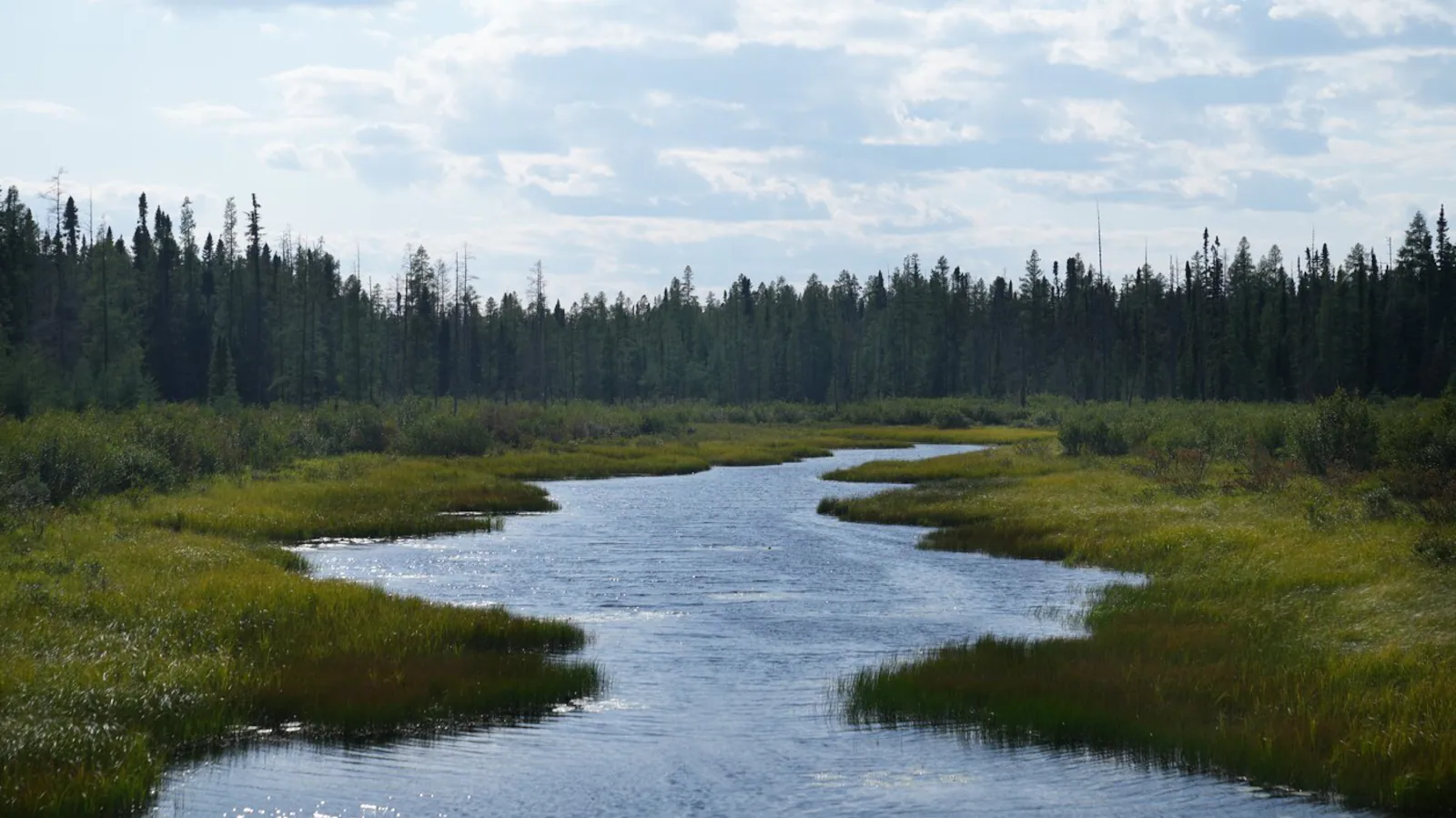
One such region, Ontario’s Ring of Fire, holds vast untapped reserves of nickel, chromite, platinum, and other minerals critical for energy, military, and digital technologies. Both Conservative Leader Pierre Poilievre and Liberal Leader Mark Carney have pledged to accelerate its development. Poilievre has committed to fast-tracking federal mining permits within six months and allocating $1 billion to support road construction. Carney has promised close collaboration with Ontario to rapidly advance the region.
Ontario Premier Doug Ford has pushed legislation to declare the Ring of Fire a “special economic zone,” designed to speed up mining and infrastructure projects. Ford framed this move as a direct response to Trump’s escalating threats.
However, this fast-track approach has triggered resistance from Indigenous communities. The Chiefs of Ontario emphasized the importance of nation-to-nation dialogue and First Nations’ consent in all developments. Sol Mamakwa, the New Democrat representing Kiiwetinoong where the Ring of Fire is located, strongly opposed the legislation, warning it undermines treaties and Indigenous rights.
“You cannot override the rights of First Nations with trade issues,” Mamakwa stated, signaling potential resistance if the province proceeds without proper consultation.
Trump’s annexation comments, once dismissed as jokes, gained renewed attention after former Prime Minister Justin Trudeau and Liberal Leader Mark Carney both acknowledged them as serious threats. Trump’s advisers, experts believe, are acutely aware of the strategic value of Canada’s mineral reserves, especially as the U.S. seeks to decouple its supply chains from China.
Trump’s recent executive orders aim to review critical mineral imports and boost domestic production. Simultaneously, the U.S. is negotiating mineral access with countries like Ukraine and the Democratic Republic of Congo, even as it eases tariffs on Canadian minerals such as uranium and potash — a move seen by experts as strategic acknowledgment of Canada’s resource value.
Canada, a global mining powerhouse, remains underdeveloped in its domestic critical mineral production, with the Ring of Fire yet to see full-scale mining. Experts like Jack Lifton, of the Critical Mineral Institute, argue that Canada holds the key to the U.S.’s supply chain woes. “Canada is the solution, not the problem,” Lifton remarked.
Ian London, executive director at the Canadian Critical Minerals and Materials Alliance, urged Canada to resist simply exporting raw materials. Instead, he advocated for building advanced manufacturing infrastructure to retain value domestically — a move that would echo China’s successful model of integrating mining with industrial development.
Amid this evolving geopolitical landscape, Tracy Hughes of the Critical Mineral Institute called the situation “a dark comedy,” urging Canada to strategically negotiate a critical minerals agreement with the U.S., especially if Trump returns to power. “Bring the two leaders together, create a critical mineral agreement, and then we can figure out the rest,” she suggested.
For Canada, the challenge lies in balancing economic opportunity with sovereignty, Indigenous rights, and long-term industrial vision — all while under the shadow of growing U.S. pressure.
#CanadaMining #CriticalMinerals #RingOfFire #DonaldTrump #IndigenousRights #USCanadaRelations #MineralSovereignty