Sri Lanka
 USA
USA Canada
 India
India UK
UK UAE
UAE




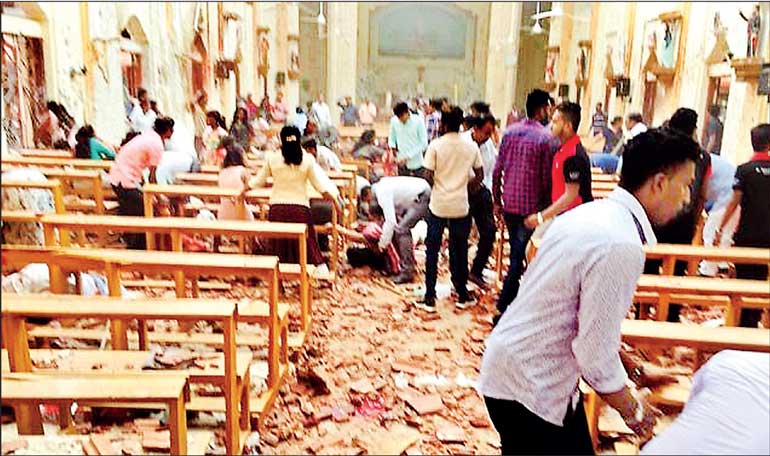
As Sri Lanka marks six years since the devastating Easter Sunday attacks, the nation still grapples with communal wounds, unanswered questions, and a dire need for meaningful reform and reconciliation.
The memory of the Easter Sunday attacks continues to haunt Sri Lanka, not only because of the horrific loss of life but because of the deep fractures they left in the country’s social and political fabric. Six years on, the nation remains in pursuit of truth, justice, and reconciliation—goals that feel increasingly elusive.
Beyond the devastation, the attacks triggered a surge in communal distrust. The Muslim community, already vulnerable, faced intensified scrutiny due to the attackers’ identities. This was further compounded during the COVID-19 pandemic when the government enforced a policy mandating cremation for all victims—an act in direct violation of Islamic burial practices. Despite widespread outrage and condemnation both locally and internationally, there has been no formal apology or redress.
Such measures have not only alienated a significant portion of the population but also further tarnished Sri Lanka’s human rights record. They reflect a pattern of selective justice and a failure to uphold the rights of all citizens equally.
As the country reflects on this solemn anniversary, the government faces a critical test of integrity and leadership. It is no longer enough to offer condolences or release commission reports. What is urgently needed is genuine political will—beyond rhetoric and symbolic gestures. This includes the establishment of an independent, bipartisan truth-seeking body, robust intelligence reforms, expedited judicial processes, and community-level reconciliation initiatives.
Admitting past failures without resorting to excuses is a necessary first step. Equally important is ending the politicisation of national security. Intelligence services must be empowered to act on credible threats without interference or rivalry; otherwise, the nation’s security structure will remain deeply compromised.
The Easter Sunday tragedy should have ushered in a new era of unity, transparency, and reform. Instead, it stands as a reminder of institutional paralysis and missed opportunities for healing.
As we commemorate the sixth anniversary, let this not be another solemn ritual devoid of real change. Let it be a commitment—renewed and unwavering—to pursue the truth, deliver justice, and finally begin the process of genuine reconciliation.
EasterSundayAttacks #JusticeForEasterVictims #SriLanka #ReconciliationNow #TruthAndJustice #NeverAgain #StandTogetherSL