Sri Lanka
 USA
USA Canada
 India
India UK
UK UAE
UAE




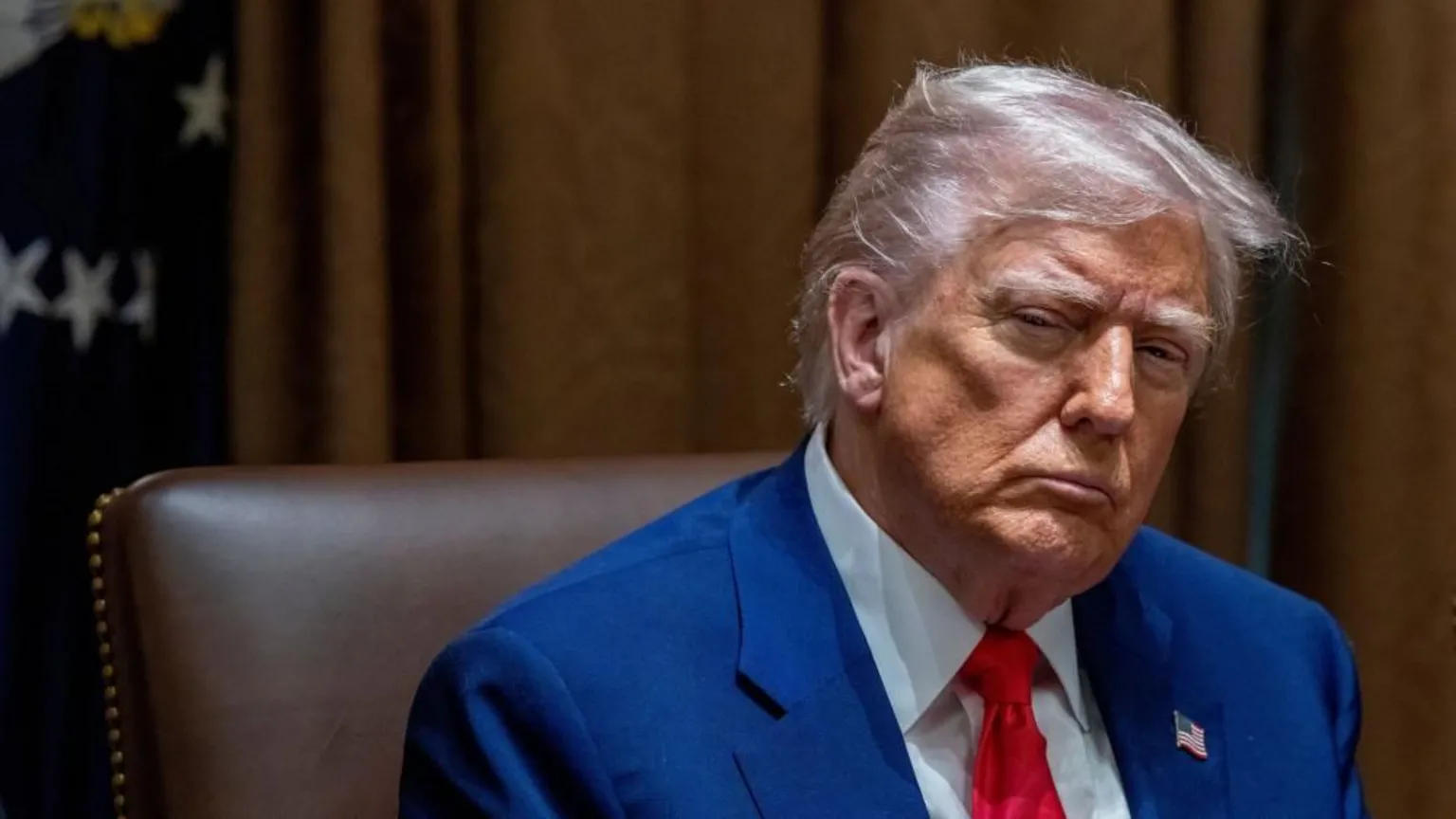
Following a dramatic week of shifting tariff strategies, Donald Trump’s ambitious trade objectives—ranging from better deals to revitalizing American industry—remain in flux. While negotiations have begun, the outcomes are far from certain.
After a week that shook the foundations of global trade, is Donald Trump any closer to fulfilling his grand ambitions? His sweeping tariff plan, which initially threatened a blanket 10% tariff and further penalties on select nations, has been partially paused—buying the administration 90 days to strike new trade agreements. Here’s where each of Trump’s five key trade goals currently stand:
1. Securing Better Trade Deals
What Trump Said:
“For decades, our country has been looted, pillaged, and plundered by nations near and far, both friend and foe alike.”
Current Status:
Trump’s aggressive tariff threat rattled allies and adversaries alike, pushing over 75 countries, according to Treasury Secretary Scott Bessent, to reach out with offers or concessions. While the administration hasn’t released a full list, negotiations are underway with nations such as Japan and South Korea.
Takeaway:
With a 90-day window open for diplomacy, the U.S. may be inching closer to improved deals. The mere fact that talks have started suggests some progress, though results remain uncertain.
2. Boosting American Industry
What Trump Said:
“Jobs and factories will come roaring back into our country… We will supercharge our domestic industrial base.”
Current Status:
Trump sees tariffs as a lever to revive manufacturing. However, his inconsistent policy shifts have left companies hesitant to invest in new U.S.-based factories. Industries like steel and auto may benefit in the short term, but long-term planning remains difficult amid uncertainty.
Takeaway:
Until clear and consistent trade rules are established, companies are likely to delay reshoring production and large-scale investments.
3. Facing Off with China
What Trump Said:
“I have great respect for President Xi of China, great respect for China, but they were taking tremendous advantage of us.”
Current Status:
Though Trump softened tariffs on many nations, his administration has doubled down on China, which it views as the primary trade offender. While tensions have escalated, signals suggest both sides may be looking for a way out. Trump has shifted some blame to past U.S. administrations and hinted at willingness to negotiate.
Takeaway:
The U.S.-China standoff poses significant risks, including the potential alienation of crucial allies. Yet, it remains the clearest manifestation of Trump’s trade agenda in action.
4. Raising Revenue
What Trump Said:
“Now it’s our turn to prosper… and use trillions and trillions of dollars to reduce our taxes and pay down our national debt.”
Current Status:
A 10% universal tariff, if sustained, could raise up to $2 trillion over a decade, according to the Tax Foundation. However, that revenue would fall short of covering the cost of recent tax cuts, estimated at $5 trillion. Moreover, as U.S. consumers shift toward domestic goods, tariff-generated revenue could decline.
Takeaway:
Trump’s tariff plan has the potential to increase government income in the short term. But its effectiveness depends on long-term consumption patterns and sustained policy.
5. Lower Prices for U.S. Consumers
What Trump Said:
“Ultimately, more production at home will mean stronger competition and lower prices for consumers.”
Current Status:
While domestic competition can lower prices, the immediate impact of tariffs tends to raise costs on imported goods, which may trickle down to consumers. Whether domestic production can ramp up quickly enough to offset price hikes remains doubtful.
Takeaway:
In the short term, tariffs are more likely to raise prices than lower them. Long-term benefits depend on substantial industrial growth and competitive U.S. manufacturing.
After a whirlwind week, Trump’s trade goals remain a work in progress. While diplomatic doors have opened and revenue projections are promising, economic instability and strained alliances complicate the road ahead. Whether the president’s high-stakes gamble will ultimately pay off remains to be seen.
#DonaldTrump #TradePolicy #USChinaTrade #Tariffs #AmericanIndustry #GlobalTrade #TrumpAdministration