Sri Lanka
 USA
USA Canada
 India
India UK
UK UAE
UAE




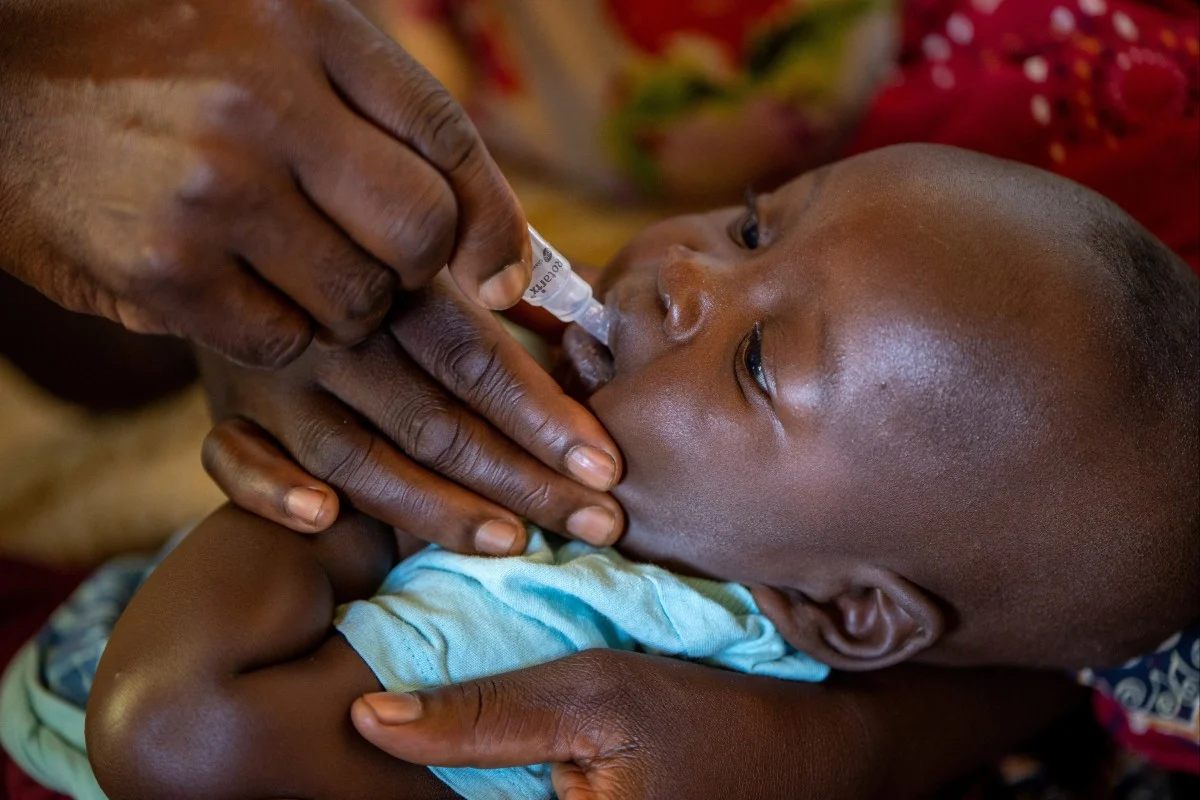
The World Health Organization announced on Friday that it had given prequalification approval to a malaria treatment for newborns and infants for the first time.
Artemether-lumefantrine is the first antimalarial formulation designed specifically for the youngest victims of the mosquito-borne disease.
“The prequalification designation indicates that the medicine meets international standards of quality, safety and efficacy,” the WHO said in a statement.
Up to now, infants have been treated with formulations intended for older children – carrying a greater risk of dosage errors, side effects and toxicity.
“For centuries, malaria has stolen children from their parents, and health, wealth and hope from communities,” WHO chief Tedros Adhanom Ghebreyesus said.

“But today, the story is changing. New vaccines, diagnostic tests, next-generation mosquito nets and effective medicines, including those adapted for the youngest, are helping to turn the tide.
“Ending malaria in our lifetime is no longer a dream – it is a real possibility, but only with sustained political and financial commitment. Now we can. Now we must.”
In 2024, there were an estimated 282 million malaria cases and 610,000 deaths in 80 countries, according to the WHO.
Africa accounts for 95 per cent of cases and deaths, with children under five accounting for three-quarters of those deaths.
The UN health agency says progress against malaria is being hampered by drug resistance, insecticide resistance, diagnostic failure and sharp reductions in foreign aid spending.
The WHO said its prequalification would enable public sector procurement and help close a long-standing treatment gap for around 30 million babies born each year in malaria-endemic areas of Africa.
Globally, 70 per cent of countries do not have regulatory systems that are robust enough to oversee medicines, vaccines, tests and medical devices.
The WHO prequalification programme ensures that key health products for international procurement meet global standards of quality, safety, efficacy and performance.
Source: https://www.scmp.com/