Sri Lanka
 USA
USA Canada
 India
India UK
UK UAE
UAE




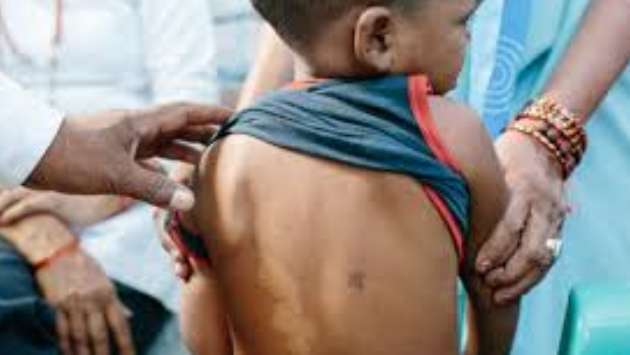
Sri Lanka recorded 1,282 new leprosy cases in 2025, with nearly 10 per cent involving children under the age of 15, health authorities revealed in conjunction with World Leprosy Day, observed on January 25.
Addressing a media briefing, Director of the Leprosy Eradication Campaign at the Ministry of Health, Dr. Yasoma Weerasekara, stated that 123 of the newly detected cases were children below 15 years, highlighting the continued need for vigilance and early detection.
Dr. Weerasekara further noted that around eight per cent of new and relapsed patients are already living with disabilities at the time they seek medical treatment. To address this concern, the Ministry of Health has strengthened preventive measures focused on early diagnosis and timely medical intervention to reduce disability among patients.
She explained that the National Leprosy Control Campaign has introduced a special programme aimed at early case detection, screening of close contacts, and the provision of necessary testing, treatment, and guidance to effectively control the spread of the disease.
Emphasising accessibility, Dr. Weerasekara assured that leprosy treatment is provided free of charge at government hospitals for both patients and their close contacts. She urged individuals experiencing suspicious symptoms to seek medical attention from government hospitals, Public Health Inspectors, or Medical Officers of Health without fear or hesitation, while also calling on the public to discard myths and misconceptions surrounding the disease.
Meanwhile, Dermatologist at the Central Leprosy Clinic, Colombo National Hospital, Dr. Chathurarya Siriwardena, explained that leprosy is not a highly contagious disease and often takes a long period to develop after exposure to the bacteria.
He stated that while leprosy mainly affects the skin, advanced cases may involve other organs such as the eyes and nose. Dr. Siriwardena added that bacteria can be released into the environment when an untreated patient coughs or sneezes, and infection may occur through inhalation.
However, he reassured that approximately 95 per cent of Sri Lanka’s population has natural immunity to leprosy bacteria, and only about five per cent of those exposed are likely to develop the disease.
Health officials continue to stress that early detection and treatment can completely cure leprosy, preventing complications and disabilities.